Elvis Presley's Rise and Rock and Roll Legacy
Elvis Presley's rise to fame changed the public face of rock and roll. He did not invent the music, and his legacy cannot be separated from the Black artists, country performers, gospel singers, and blues traditions that shaped the sound. His impact came from the way his voice, body, image, recordings, television appearances, and timing carried rock and roll into the center of mainstream American culture.
A: No; rock and roll grew from Black musical traditions, country, blues, gospel, and R&B before his fame.
A: His movement, sound, race-crossing influences, and appeal to teenagers unsettled many adults.
A: He blended tenderness, grit, rhythmic confidence, country slides, gospel drama, and blues feeling.
A: Television turned his physical charisma into a national event beyond radio.
A: Sun captured the raw early sound that made him feel different from polished pop singers.
A: The films kept him visible but often tied him to weaker musical material.
A: It was a televised return that reminded audiences of his live intensity and musical force.
A: He showed how voice, movement, image, and stage command could define a rock star.
A: His fame elevated rock and roll while raising questions about race, credit, and industry power.
A: Begin with Sun recordings, early RCA hits, gospel performances, and the 1968 comeback.
Before the Breakthrough
Elvis Presley arrived at a moment when American music was already changing. Blues, gospel, country, rhythm and blues, and early rock and roll were circulating through radio, records, churches, clubs, and regional scenes. The sound did not begin with him, but he became one of the figures who made it unavoidable to mainstream audiences.
His early life placed him near several musical languages. Gospel shaped his sense of drama and release. Country shaped phrasing and storytelling. Blues and R&B shaped rhythmic attack and emotional heat. Those influences met in a voice that sounded familiar and startling at once.
The key to understanding Elvis is not treating him as an isolated invention. He was a product of musical exchange and an industry that was ready to turn certain sounds into mass-market spectacle when delivered through the right image.
Sun Records and the First Shock
Sun Records captured Elvis before the image became too polished. The early recordings have a nervous spark, as if country rhythm, blues feeling, and youthful uncertainty are colliding in real time. That's All Right did not sound like standard pop, and that was exactly the point.
Producer Sam Phillips, guitarist Scotty Moore, bassist Bill Black, and the small studio environment helped shape the early sound. The records were lean, bright, and full of slapback echo. They left space for Elvis's voice to jump, slide, and push against the beat.
Regional audiences reacted first. Before national fame, there was local excitement, confusion, and word-of-mouth energy. People were trying to name what they were hearing. Was it country? Was it rhythm and blues? Was it something improper, exciting, or new?
That uncertainty became fuel. Elvis sounded like a crossing point, and crossing points often unsettle categories.
RCA, Television, and National Fame
The move to RCA placed Elvis inside a larger commercial machine. Heartbreak Hotel and other early national hits brought his sound to a wider public, and television made the reaction explosive. Radio could carry the voice, but television carried the body.
His performances created adult alarm because they made rhythm visible. The hip movements, stance, and physical charge suggested that rock and roll was not only a sound but a change in behavior. Teenagers responded with excitement; many adults responded with suspicion.
Television appearances turned Elvis into a symbol almost overnight. He was charming in interviews and volatile in performance, which made him difficult to reduce to one image. The contrast helped him reach audiences who might have rejected a purely aggressive performer.
The Voice Behind the Image
The image can overshadow the voice, but the voice is the reason the image lasted. Elvis could sing with softness, force, humor, sensuality, sorrow, and gospel scale. He understood how to lean into a phrase and how to make a simple lyric feel immediate.
His ballads reveal this especially well. The most powerful Elvis singing is not always the loudest. Sometimes it is a slight hesitation, a rounded vowel, a breath before release, or a line that sounds conversational before opening into drama.
In rock and roll, he used his voice rhythmically. He could snap into a phrase, stretch behind the beat, or push forward with almost percussive urgency. That rhythmic vocal presence made the records move.
This is why singers across genres continued to study him. Even when later performers rejected the style or mythology, the phrasing remained instructive.
Rock and Roll Goes Mainstream
Elvis helped bring rock and roll into the mainstream by making it commercially undeniable. He did not do this alone, and he benefited from racial and industry dynamics that favored a white performer singing music shaped heavily by Black traditions. That reality is central to the story.
His success opened doors for rock and roll while also revealing unequal doors. Black artists who shaped the language often faced barriers that Elvis did not. A fair account of his impact has to include both the musical excitement and the uneven system that amplified him.
Hollywood and the Cost of Visibility
Hollywood expanded Elvis's fame but complicated his musical development. Films kept him in front of mass audiences, and some performances remain charming. Yet the movie schedule often tied him to formulaic material that did not match the urgency of his best records.
This period shows one of the traps of celebrity. A star can become too valuable as a product to be allowed real artistic risk. Elvis remained famous, but fame and musical growth were not always moving in the same direction.
The soundtrack machine also changed how some listeners understood him. For people who entered through the weaker films, Elvis could seem less dangerous and more packaged. That makes the later comeback feel even more important.
The 1968 Comeback
The 1968 comeback special restored a sense of danger, intimacy, and musical force. Dressed in black leather and surrounded by musicians, Elvis appeared less like a movie product and more like a performer reclaiming the center. The special reminded audiences why the original shock had mattered.
Its power came from contrast. After years of Hollywood formulas, the comeback felt focused and physical. The voice sounded alive, the presence was concentrated, and the setting emphasized performance rather than plot.
The comeback did not erase the complicated middle years, but it reframed them. It showed that beneath the machinery, Elvis still had command.
It also connected him to a changed musical landscape. Rock had become heavier, albums had become more ambitious, and younger artists were writing their own material. Elvis did not suddenly become a 1960s counterculture songwriter, but the special proved he could still generate electricity without hiding behind film formulas.
Las Vegas, Excess, and Late Iconography
The Las Vegas years created another Elvis: jumpsuits, big arrangements, stage grandeur, and a different kind of myth. Some of this period is powerful, and some of it reveals the strain of repetition, celebrity pressure, and commercial obligation.
Late Elvis can be easy to caricature, but the best performances still contain vocal commitment. Gospel numbers, dramatic ballads, and certain live moments show an artist capable of deep feeling even inside a heavy machine.
The tragedy of the final years is that the symbol became difficult to escape. Elvis had helped define rock and roll freedom, yet later fame often placed him inside routines he could not easily break.
That tension is part of why his story remains compelling. It is not only a rise; it is a warning about what mass adoration can demand from a performer.
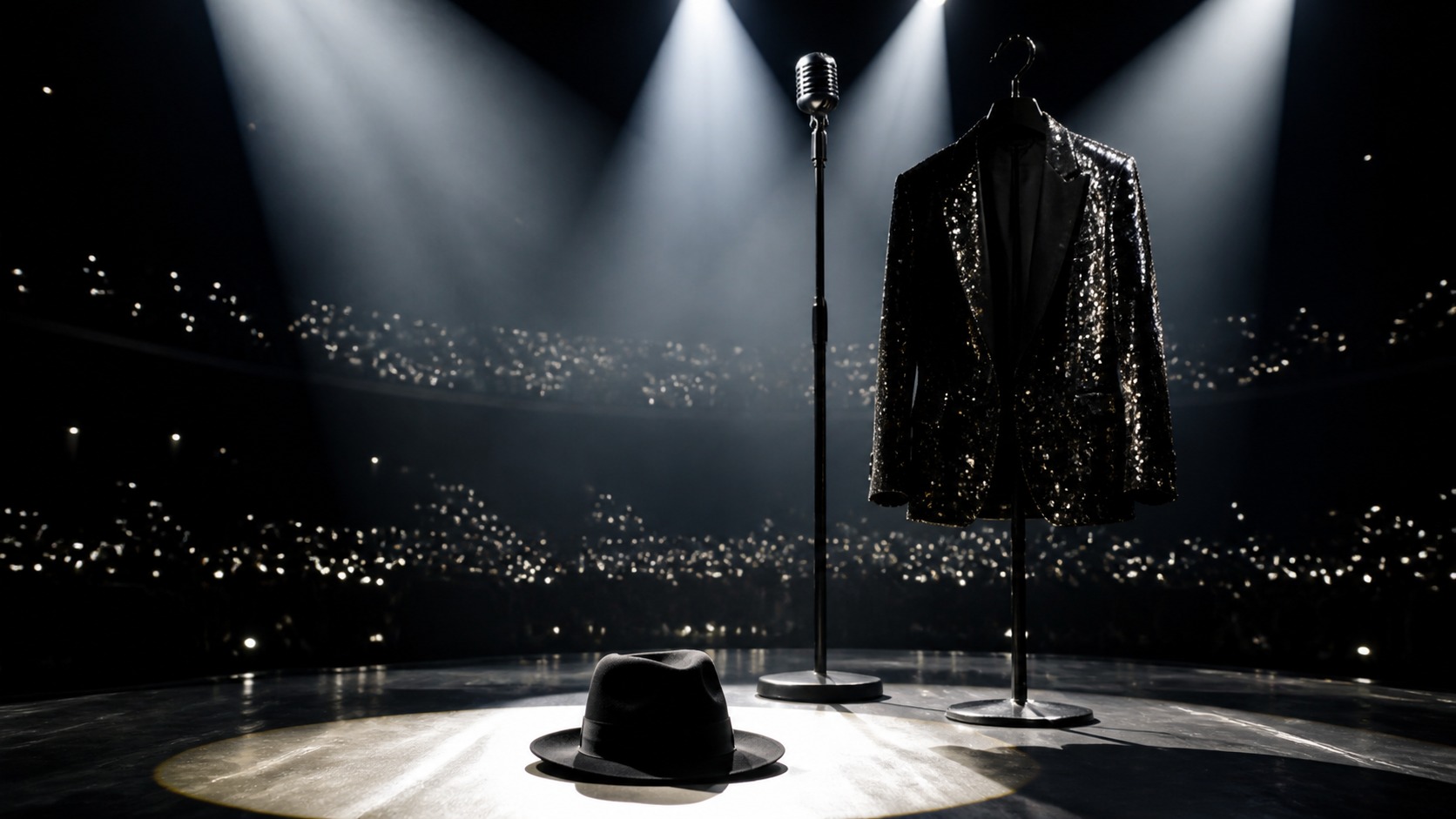
The Vegas era also changed the visual memory of Elvis. For some fans, the early microphone, guitar, and jacket matter most; for others, the jumpsuit and orchestra define the legend. Those images belong to different musical moments, but together they show how one performer could become several icons across one career.
Impact on Rock and Roll
Elvis's impact on rock and roll lies in sound, image, and scale. He helped make the lead performer a physical presence, not just a voice on a record. He showed that a singer's body, clothes, hair, camera relationship, and stage movement could become part of the music's meaning.
He also helped make rock and roll a mainstream cultural argument. Parents, broadcasters, critics, teenagers, and musicians all had to respond. That controversy gave the music visibility and helped define rock as a generational force.
The Legacy Today
Elvis Presley remains influential because his career sits at a crossroads. He represents excitement, appropriation debates, vocal skill, television power, youth culture, commercial machinery, and the making of the modern rock star. Few artists carry so many parts of music history at once.
The best way to understand him is to listen widely and contextually. Hear the Sun sides, the early RCA hits, the gospel recordings, the comeback performances, and the late live work. Then place those recordings beside the Black and country artists whose sounds helped make rock and roll possible.
That broader view makes the legacy more honest. Elvis was neither the sole inventor of rock and roll nor a disposable symbol. He was a gifted performer whose rise changed how the music reached the world.
His lasting impact is therefore both musical and cultural. He helped turn rock and roll into mainstream spectacle, and the questions raised by that success still shape how listeners talk about fame, credit, race, and American popular music.
The Artists Around the Myth
Elvis's legacy becomes clearer when he is heard beside the artists around him. Big Mama Thornton, Sister Rosetta Tharpe, Arthur Crudup, Chuck Berry, Little Richard, Fats Domino, and many others shaped the world that made rock and roll possible. Their work prevents the story from shrinking into one man's rise.
Listening this way does not diminish Elvis's talent. It reveals the musical ecosystem that gave his talent meaning. His phrasing, repertoire, and energy make more sense when placed beside gospel release, blues grit, country storytelling, and R&B drive.
The myth of a single king is simpler than the history. The history is richer. It shows a culture of exchange, borrowing, inequality, excitement, and transformation.
Why Elvis Still Matters
Elvis still matters because he made a new kind of popular performer visible. The voice, body, camera, clothing, controversy, and audience reaction all fused into one public phenomenon. Later rock and pop stars inherited that model whether they embraced it or resisted it.
His story also remains a useful caution. Commercial success can amplify artistry, but it can also trap artists inside images and obligations. Elvis's career contains both liberation and confinement.
That tension keeps the legacy alive. He helped push rock and roll into the mainstream, but his success also forces listeners to ask who gets credit, who gets access, and how an industry turns music into mythology.
A balanced view gives him his due without erasing the musical world around him. Elvis was a remarkable singer and a catalytic performer. He was also part of a larger American story about race, media, commerce, youth, and desire. That is why his name still carries argument as well as admiration.
A Fair Way to Listen
A fair way to listen to Elvis is to hear both the thrill and the context. The thrill is real: the early records have snap, the voice has personality, and the stage presence changed what mainstream audiences thought a singer could do. The context is just as real: rock and roll came from many communities, and the industry did not reward all of them equally.
Holding those truths together makes the legacy stronger, not weaker. Elvis's rise becomes more than a simple success story. It becomes a window into how American music moves, how fame magnifies certain figures, and how powerful performances can both honor and complicate their sources. The best listening does not ask fans to choose between excitement and context. It asks them to hear the electricity of the records while understanding the history that made that electricity possible, including the musicians whose work prepared the ground for his breakthrough and the audiences who pushed rock and roll into public conflict and lasting cultural change.