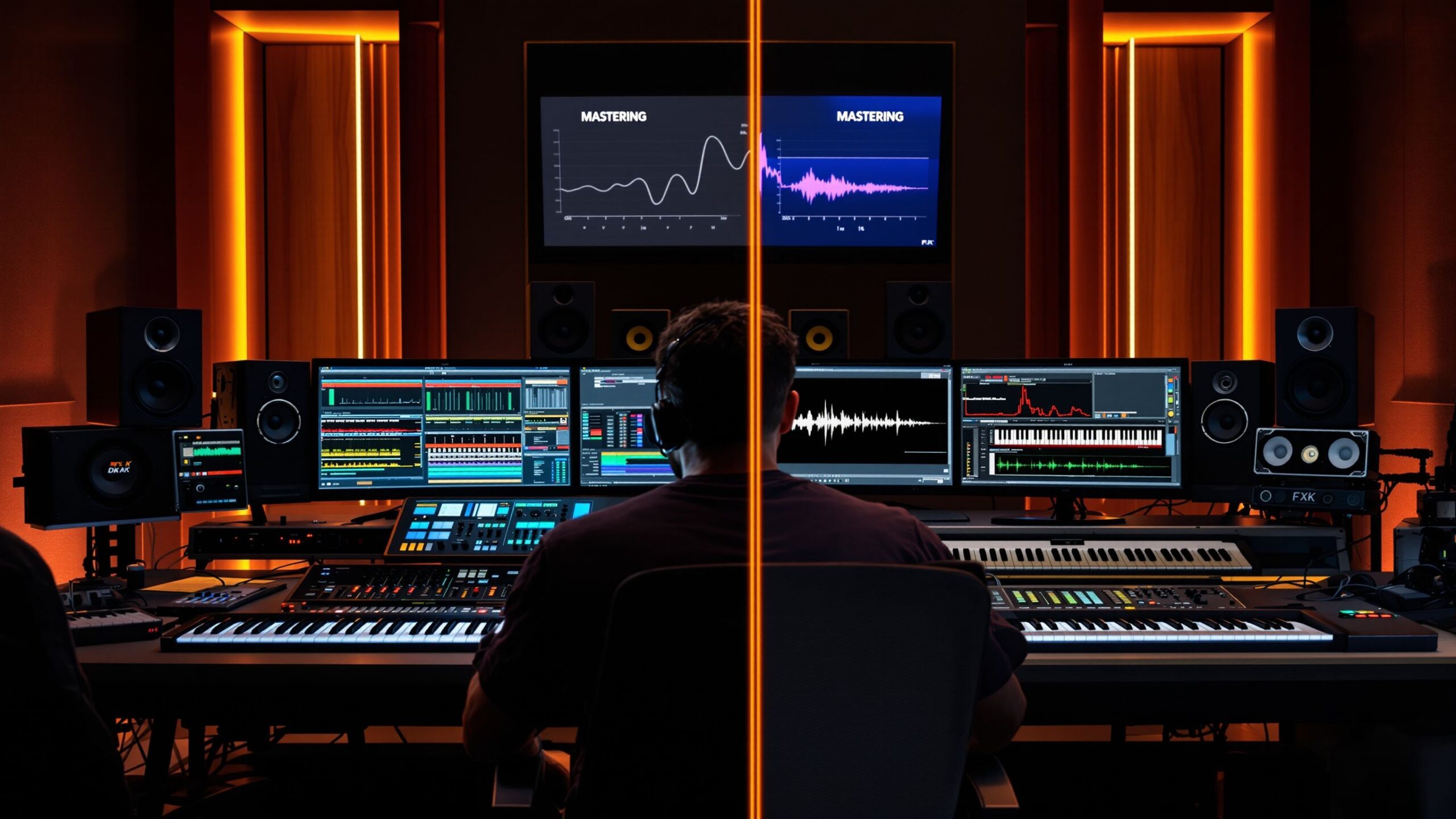
If you are new to music production, you have probably heard the terms mixing and mastering used constantly. Producers, engineers, musicians, and content creators often talk about the importance of both processes, yet many beginners struggle to understand exactly what each one does. Some people even use the terms interchangeably, assuming they are simply different names for the same thing. In reality, mixing and mastering are separate stages of music production that serve different purposes. Both contribute to the quality of a finished song, but they focus on different aspects of the audio. Mixing shapes and balances the individual elements within a track, while mastering enhances and prepares the completed mix for release. Understanding the distinction between mixing and mastering is essential for anyone interested in recording music, producing beats, creating podcasts, or working in audio production. Knowing where one process ends and the other begins helps you make better creative decisions and avoid common beginner mistakes. This guide explores the differences between mixing and mastering, how each process works, why both are important, and how they work together to create professional-sounding music.
A: Mixing comes first, followed by mastering.
A: Mixing balances and shapes individual tracks within a song.
A: Mastering polishes the final mix and prepares it for release.
A: You can, but the song may sound less polished and less consistent across playback systems.
A: Not completely. Major vocal issues should be corrected during mixing.
A: Both matter, but a strong mix is generally more important than mastering.
A: Headroom gives them space to process the mix without distortion.
A: Mixing usually takes significantly longer because it involves more detailed decisions.
A: Yes, although separate engineers provide fresh perspectives.
A: Strong recording, effective mixing, and quality mastering all contribute to a professional sound.
Understanding the Music Production Workflow
To understand the difference between mixing and mastering, it helps to first look at the entire music production process.
Most songs move through several major stages before reaching listeners. It begins with songwriting and arranging, where melodies, lyrics, chords, and structures are created. Next comes recording, where performances are captured using microphones, instruments, and digital audio workstations.
After recording is complete, the project enters the mixing stage. During mixing, individual tracks are balanced and refined. Once the mix is finalized, the project moves into mastering, where the completed stereo file is enhanced and prepared for distribution.
Each stage builds upon the previous one. Recording provides the raw materials, mixing organizes and enhances them, and mastering delivers the final polish.
Skipping or rushing any stage can negatively affect the quality of the finished product.
What Is Mixing?
Mixing is the process of combining individual audio tracks into a cohesive and balanced song.
Modern recordings often contain dozens or even hundreds of tracks. A single production may include lead vocals, background vocals, drums, bass, guitars, keyboards, synthesizers, percussion, effects, and more.
Without mixing, these tracks simply exist as separate recordings. Mixing transforms them into a unified musical experience.
A mixing engineer works with each individual element of a song. They adjust volume levels, shape tonal characteristics, control dynamics, add effects, and position sounds within the stereo field.
The objective is to ensure that every element contributes appropriately to the overall production.
When listeners hear a professionally mixed song, they can clearly distinguish important musical components while still experiencing them as part of a cohesive whole.
The Primary Goals of Mixing
Mixing serves several important purposes.
First, it creates balance. Every instrument and vocal must occupy an appropriate volume level relative to the others.
Second, mixing improves clarity. When multiple sounds compete for the same frequency range, they can become muddy or difficult to hear. Mixing helps separate these elements.
Third, mixing enhances emotional impact. Through careful adjustments, mixers guide the listener’s attention and support the song’s mood.
Finally, mixing creates depth and dimension. Effects such as reverb, delay, and stereo imaging help transform flat recordings into immersive listening experiences.
Every decision during mixing focuses on improving the relationship between individual tracks.
Common Tools Used During Mixing
Mixing relies on several essential audio processing tools.
Equalization, or EQ, allows engineers to adjust frequency content. EQ helps instruments occupy their own space and prevents frequency conflicts.
Compression controls volume variations, creating more consistent and controlled performances.
Panning positions sounds within the stereo field, allowing instruments to appear left, right, or center.
Reverb simulates acoustic spaces and adds depth to recordings.
Delay creates echoes and repeated reflections that enhance atmosphere and movement.
Automation enables changes over time, allowing mixers to adjust levels, effects, and other parameters throughout a song.
These tools work together to shape the individual elements that make up a mix.
What Is Mastering?
Mastering occurs after mixing has been completed.
Rather than working with separate tracks, mastering engineers work with the finished stereo mix. At this stage, all instruments and vocals have already been balanced and processed.
Mastering focuses on enhancing the song as a whole.
The goal is to optimize the final mix for playback across various listening systems while ensuring technical compatibility with distribution platforms.
Mastering engineers make subtle adjustments to overall tone, loudness, dynamics, stereo imaging, and consistency.
The result is a polished, professional release ready for streaming services, radio broadcasts, downloads, CDs, vinyl records, and other formats.
The Primary Goals of Mastering
Mastering serves a different purpose than mixing.
One major goal is consistency. A mastered song should sound balanced regardless of where it is played.
Another goal is translation. Music should maintain its quality whether listeners use studio monitors, car speakers, headphones, earbuds, televisions, or smartphones.
Mastering also prepares songs for distribution. Technical standards must be met to ensure compatibility with modern playback platforms.
Finally, mastering provides quality control. It represents the last opportunity to identify and correct issues before release.
While mixing focuses on individual components, mastering focuses on the complete listening experience.
Working with Individual Tracks Versus Stereo Files
One of the clearest differences between mixing and mastering involves the audio material being processed.
During mixing, engineers work with individual tracks.
They can adjust a vocal independently from a guitar, modify drum levels without affecting bass, or add effects to specific instruments.
Each element remains accessible and editable.
During mastering, the engineer receives a completed stereo file.
At this point, the instruments are already blended together. Changes affect the entire mix rather than individual components.
This distinction significantly influences the types of decisions made during each process.
Mixing provides detailed control over individual elements, while mastering focuses on broad enhancements to the entire recording.
The Difference in Creative Focus
Mixing and mastering also differ in terms of creative perspective.
Mixing is highly detailed and often involves hundreds of decisions regarding individual sounds. Engineers spend time shaping instruments, enhancing performances, and solving conflicts between tracks.
Mastering takes a broader view.
Instead of concentrating on individual instruments, mastering engineers evaluate how the entire song functions as a complete piece of music.
This shift in perspective allows mastering engineers to focus on overall balance, consistency, and presentation.
In many ways, mixing examines the trees while mastering evaluates the forest.
Loudness: A Common Source of Confusion
Many beginners associate mastering solely with making songs louder.
While loudness is certainly part of mastering, it represents only one aspect of the process.
Modern mastering involves much more than simply increasing volume. Engineers must carefully balance loudness with dynamics, clarity, and musicality.
Streaming platforms now use loudness normalization, meaning excessively loud masters often receive automatic volume reduction.
As a result, professional mastering focuses on achieving optimal sound quality rather than maximum loudness.
Mixing also contributes significantly to perceived loudness. A well-balanced mix often sounds powerful before any mastering occurs.
Understanding this relationship helps prevent unrealistic expectations during mastering.
Problems Mixing Can Solve
Certain issues are best addressed during mixing rather than mastering.
For example, if vocals are too quiet, the snare drum is too loud, or a guitar clashes with a keyboard, these are mixing problems.
Mixing allows engineers to make precise adjustments to individual tracks.
Trying to fix these issues during mastering can be difficult or impossible because all the elements have already been combined into a single stereo file.
A common saying in professional audio circles is that mastering cannot fix a bad mix.
The better the mix, the more effective the mastering process becomes.
Problems Mastering Can Solve
Although mastering cannot replace proper mixing, it can improve many aspects of a finished song.
Mastering can enhance tonal balance, increase consistency, optimize loudness, improve stereo imaging, and prepare files for distribution.
It can also help identify subtle issues that may have gone unnoticed during mixing.
Professional mastering engineers often listen in highly accurate acoustic environments, allowing them to detect problems that may not be obvious elsewhere.
However, mastering works best when it builds upon a strong mix rather than attempting to rescue a flawed one.
Why Professional Releases Use Both
Virtually every commercially released song undergoes both mixing and mastering.
These processes complement one another rather than compete.
Mixing ensures that the individual components of a song work together effectively. Mastering ensures that the completed mix performs well in real-world listening situations.
Together, they create the polished sound listeners expect from professional music.
Skipping mixing often results in a chaotic and unbalanced recording. Skipping mastering can leave an otherwise strong mix sounding unfinished or inconsistent.
Both stages contribute unique value to the final product.
Mixing and Mastering in Different Genres
The relationship between mixing and mastering remains consistent across genres, but priorities may vary.
Pop music often emphasizes clear vocals, polished production, and competitive loudness.
Hip-hop frequently prioritizes powerful drums, impactful bass, and vocal presence.
Rock productions may focus on energetic guitars and dynamic performances.
Electronic music often requires precise low-end management and wide stereo imaging.
Regardless of genre, mixing establishes the creative balance while mastering refines the final presentation.
The tools and techniques may differ, but the underlying goals remain the same.
Can One Person Handle Both Processes?
With modern technology, many producers mix and master their own music.
Digital audio workstations provide access to sophisticated tools that make both processes more accessible than ever.
However, handling both stages can be challenging because familiarity with a project sometimes makes it difficult to remain objective.
Many professionals prefer having separate engineers perform mixing and mastering. Fresh ears often reveal issues that creators may overlook after spending extensive time on a project.
That said, self-mixing and self-mastering can be highly effective when approached carefully and thoughtfully.
The key is developing strong listening skills and understanding the unique goals of each process.
How Beginners Should Approach Mixing and Mastering
For beginners, the most important lesson is to prioritize mixing.
A strong mix provides the foundation for successful mastering. No amount of mastering can fully compensate for major mixing problems.
Focus first on learning volume balance, EQ, compression, panning, and effects. Develop the ability to create clear and cohesive mixes before worrying extensively about mastering techniques.
Once your mixes consistently sound balanced and professional, mastering becomes far easier and more effective.
Patience is essential because both skills require practice and experience.
Learning them separately often produces better results than attempting to master everything at once.
The Perfect Partnership in Music Production
Mixing and mastering are often discussed together because they represent the final stages of music production, but they serve distinctly different roles. Mixing focuses on the details, shaping individual tracks into a cohesive and emotionally engaging song. Mastering focuses on the big picture, enhancing the completed mix and preparing it for release across a wide range of playback systems.
A simple way to remember the difference is this: mixing works on the parts, while mastering works on the whole. Mixing determines how instruments and vocals interact with one another. Mastering ensures the finished song sounds polished, balanced, and ready for listeners everywhere.
Neither process is more important than the other. Instead, they function as partners in creating professional-quality music. Great mixing provides the foundation, and great mastering delivers the final refinement.
For anyone beginning their journey into music production, understanding the distinction between mixing and mastering is one of the most valuable lessons you can learn. Once you recognize the unique purpose of each stage, you can approach your productions with greater confidence, make better creative decisions, and create music that sounds polished, professional, and ready for the world to hear.