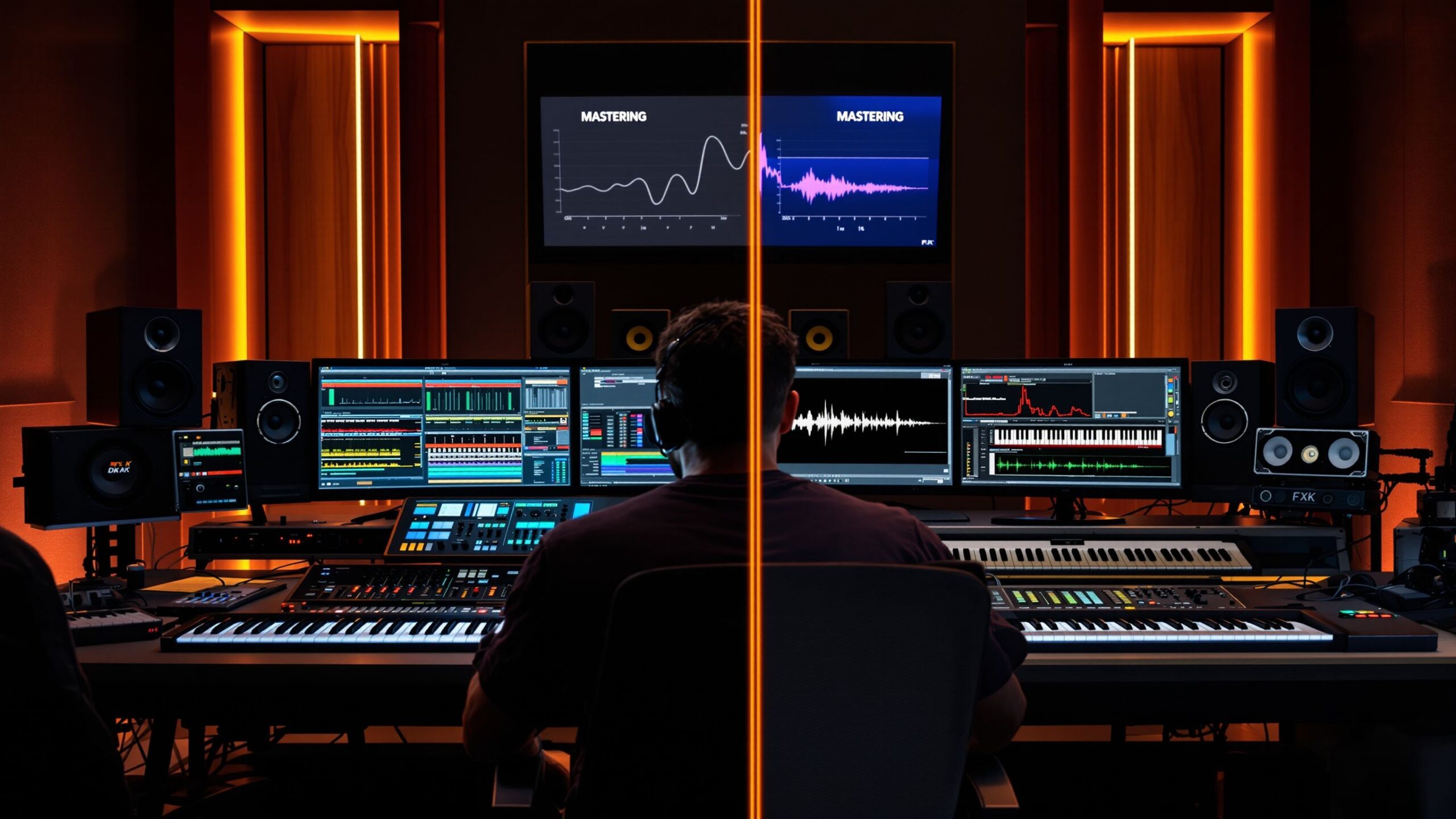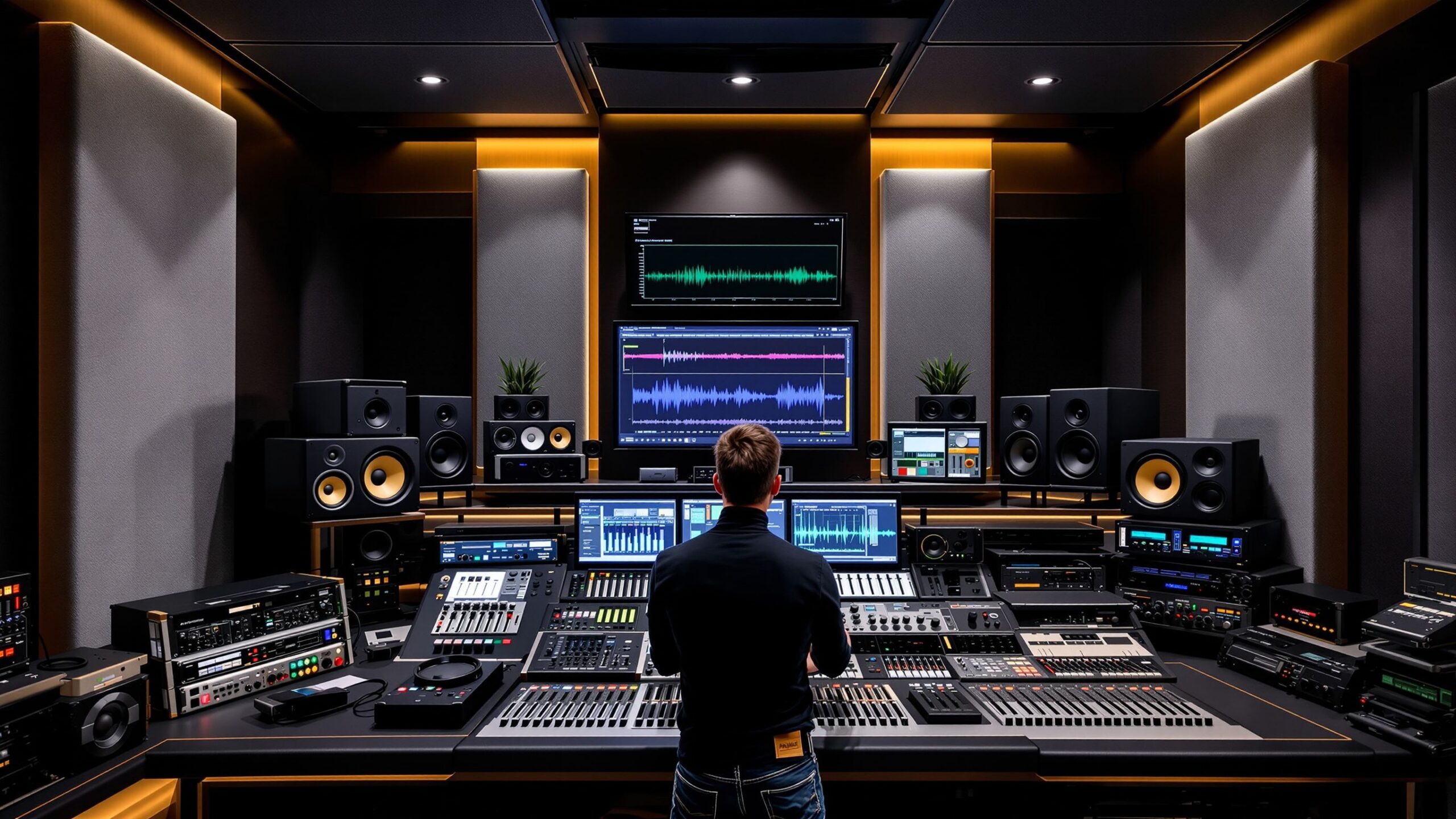
Every song begins with an idea. A melody, a beat, a lyric, or a simple chord progression can evolve into a fully produced track through songwriting, recording, and mixing. Yet even after a mix sounds complete, there is still one crucial stage left before the music is ready for the world. That stage is mastering. Mastering is often misunderstood by beginners because its changes can seem subtle compared to recording or mixing. While mixing focuses on balancing individual instruments and vocals, mastering focuses on enhancing the entire song as a single piece of audio. It is the final quality-control process that prepares music for streaming platforms, radio broadcasts, digital downloads, CDs, vinyl records, and other listening formats. A professionally mastered song sounds polished, consistent, and ready to compete with commercial releases. It translates well across headphones, smartphones, car stereos, laptops, home theaters, and professional sound systems. Without mastering, even a great mix may struggle to achieve the clarity, consistency, and impact listeners expect from modern music. For aspiring producers, musicians, and audio enthusiasts, understanding mastering is essential. This guide explains what mastering is, how it works, why it matters, and how it serves as the final step in the music production process.
A: It is the final process of optimizing a finished mix for distribution and playback.
A: Yes, mastering helps ensure a song sounds balanced, competitive, and release-ready.
A: Mixing balances individual tracks, while mastering processes the completed stereo mix.
A: Not completely. Major problems should be corrected during the mixing stage.
A: It depends on the genre, platform, and artistic goals.
A: A limiter prevents audio peaks from exceeding a set level while increasing loudness.
A: You can, but a separate mastering engineer offers fresh ears and objective feedback.
A: Every playback system emphasizes frequencies differently.
A: A high-quality mix with adequate headroom and no clipping is ideal.
A: Balanced tone, controlled dynamics, competitive loudness, and excellent translation across systems.
Understanding the Purpose of Mastering
Mastering is the process of optimizing and preparing a finished stereo mix for distribution and playback across a wide variety of listening environments.
When a mixing engineer completes a song, the result is usually a stereo file that contains all the musical elements blended together. The mastering engineer works with this finished mix rather than individual tracks. Their goal is not to rebalance vocals or adjust drum levels but to enhance the overall presentation of the song.
Mastering ensures that a song sounds professional and consistent regardless of where it is played. Whether someone listens through expensive studio monitors, wireless earbuds, car speakers, or a smartphone, the music should maintain its quality and impact.
The mastering stage also helps ensure that songs meet technical standards required by streaming services and distribution platforms. It acts as the bridge between music production and public release.
Why Mastering Matters
Many musicians wonder whether mastering is truly necessary. After all, if a mix already sounds good, why make further adjustments?
The answer lies in consistency, translation, and polish.
A mix may sound excellent in the studio where it was created but reveal problems when played elsewhere. Certain frequencies might become overwhelming in a car stereo, while vocals may seem too quiet on headphones. Mastering identifies and addresses these issues.
Mastering also helps create a competitive listening experience. Commercial releases are carefully mastered to maintain clarity, energy, and balance. Without mastering, a song may sound weaker or less refined compared to professionally released music.
Perhaps most importantly, mastering serves as a final opportunity to catch technical issues before release. Small problems that go unnoticed during mixing can often be identified and corrected during mastering.
The Difference Between Mixing and Mastering
One of the most common misconceptions among beginners is confusing mixing with mastering.
Mixing focuses on individual tracks. During mixing, engineers adjust vocal levels, shape instrument tones, apply effects, control dynamics, and create stereo placement. Each element receives individual attention.
Mastering works on the completed stereo mix. Instead of adjusting separate instruments, mastering engineers make broad enhancements that affect the entire song.
Think of mixing as building and decorating a house. Every room receives individual attention, furniture is arranged, and colors are selected. Mastering is like performing a final inspection before the house is sold. Everything is checked, refined, and prepared for the public.
Both processes are essential, but they serve different purposes within music production.
The Evolution of Music Mastering
Mastering has existed for decades, though its role has evolved significantly.
In the early days of recorded music, mastering primarily involved preparing audio for physical manufacturing. Engineers had to ensure recordings could be transferred successfully onto vinyl records without technical problems.
As technology advanced, mastering expanded to include cassette tapes, CDs, and digital formats. Today, streaming services dominate music consumption, and mastering engineers must optimize audio for platforms that use loudness normalization and various compression algorithms.
Despite technological changes, the fundamental purpose remains the same: delivering the best possible listening experience.
Modern mastering combines technical precision with artistic judgment, helping music sound its best regardless of format or platform.
Critical Listening: The Heart of Mastering
Mastering begins with listening.
Before making any adjustments, mastering engineers carefully evaluate the entire song. They listen for tonal imbalances, dynamic issues, stereo imaging problems, unwanted noise, distortion, and other concerns.
This critical listening process often takes place in highly controlled acoustic environments. Professional mastering studios are designed to reveal even the smallest details within a recording.
Because mastering affects the entire mix, every decision must be made carefully. Small adjustments can have a significant impact on the final sound.
Experienced mastering engineers rely on years of training and developed listening skills to identify subtle improvements that enhance the overall musical experience.
Equalization in Mastering
Equalization plays an important role during mastering.
Unlike mixing EQ, which often targets individual instruments, mastering EQ affects the entire stereo mix. The goal is to improve tonal balance across all frequencies.
For example, a mix might sound slightly dull and lack brightness. A mastering engineer may gently boost high frequencies to add clarity and presence. Conversely, excessive low frequencies might be reduced to improve balance and translation.
Mastering EQ adjustments are usually subtle. Changes measured in fractions of a decibel can significantly influence the overall sound.
The objective is not to dramatically alter the mix but to enhance what already exists while maintaining musical integrity.
Compression During Mastering
Compression is another essential mastering tool.
Mastering compression helps control dynamics and create a more cohesive sound. It gently smooths out volume variations across the entire track, allowing elements to work together more effectively.
Unlike aggressive compression often used during mixing, mastering compression is typically subtle. The goal is to maintain musical dynamics while improving consistency and perceived loudness.
When used properly, compression can make a song feel more polished and connected. When overused, however, it can remove energy and emotional impact.
Modern mastering often emphasizes preserving musical dynamics rather than maximizing loudness at all costs.
Limiting and Loudness
One of the most recognizable aspects of mastering is increasing overall loudness.
This is typically accomplished using a limiter. A limiter prevents audio from exceeding a specified maximum level while allowing the average volume of a song to increase.
Historically, louder songs often appeared more exciting to listeners. This led to the so-called “Loudness War,” during which many recordings became excessively compressed and limited.
Today, streaming platforms use loudness normalization. Services automatically adjust playback levels to maintain consistency between tracks.
As a result, modern mastering focuses less on achieving maximum loudness and more on preserving quality, dynamics, and clarity.
A well-mastered song sounds powerful without sacrificing musical expression.
Stereo Imaging and Width
Mastering can also influence stereo imaging.
Stereo imaging refers to how sounds are distributed across the left and right channels of a mix. Proper imaging creates a sense of width, depth, and spaciousness.
Mastering engineers may make subtle adjustments to enhance stereo width while ensuring compatibility with mono playback systems.
Too much stereo widening can create technical issues, including phase problems that negatively affect playback. Therefore, mastering engineers use stereo enhancement carefully and strategically.
The goal is to create an immersive listening experience without compromising audio quality.
Managing Frequency Balance
One of the key responsibilities of mastering is ensuring frequency balance.
Every song contains low, midrange, and high frequencies. If one area dominates excessively, the listening experience may suffer.
For example, excessive bass can overwhelm smaller speakers, while harsh high frequencies can become fatiguing. Weak midrange frequencies may cause vocals and melodies to lose impact.
Mastering helps create a balanced frequency spectrum that translates effectively across different playback systems.
This balance contributes significantly to the professional quality listeners associate with commercial music releases.
Preparing Music for Streaming Platforms
Today’s music industry revolves largely around streaming.
Platforms such as Spotify, Apple Music, YouTube Music, and Amazon Music require audio files that meet specific technical standards.
Mastering engineers prepare tracks to ensure compatibility with these requirements. This includes managing peak levels, loudness targets, file formats, and overall audio quality.
Streaming services may apply their own processing during playback. Effective mastering anticipates these adjustments and minimizes potential issues.
The result is a song that maintains its intended sound regardless of the platform used by listeners.
Mastering an Album Versus a Single
Mastering becomes even more important when working with albums or EPs.
Individual songs may sound excellent on their own but feel inconsistent when played sequentially. Differences in loudness, tonal balance, and overall character can disrupt the listening experience.
Album mastering ensures cohesion between tracks. Engineers carefully compare songs and make adjustments that create a unified presentation.
This process helps maintain a consistent artistic identity throughout the project while allowing each song to retain its unique character.
The listener experiences the album as a complete work rather than a collection of disconnected recordings.
Analog and Digital Mastering
Mastering can be performed using analog equipment, digital software, or a combination of both.
Analog mastering involves hardware such as equalizers, compressors, limiters, and tape machines. Many engineers appreciate the warmth and character these tools can provide.
Digital mastering relies on software plugins and digital processing. Modern digital tools offer incredible precision, flexibility, and efficiency.
Hybrid mastering combines the strengths of both approaches, utilizing analog hardware alongside digital workflows.
Regardless of the tools used, the engineer’s judgment remains the most important factor. Great mastering depends more on listening skills than equipment.
Common Mastering Mistakes Beginners Make
Many beginners attempt mastering without fully understanding its purpose.
One common mistake is trying to fix major mix problems during mastering. Significant issues should generally be addressed in the mix itself. Mastering is designed for refinement rather than rescue.
Another frequent mistake involves excessive processing. Beginners often apply too much EQ, compression, or limiting, resulting in unnatural and fatiguing audio.
Ignoring reference tracks can also hinder progress. Comparing a master to professionally released music provides valuable perspective and helps identify weaknesses.
Many new producers additionally master at extremely high volumes, which can lead to inaccurate decisions. Taking breaks and monitoring at moderate levels typically yields better results.
Patience and restraint are often the most valuable mastering skills.
The Role of Mastering Engineers
Professional mastering engineers bring objectivity to the production process.
After spending weeks or months recording and mixing a song, producers can become emotionally attached to their work. This familiarity sometimes makes it difficult to identify remaining issues.
Mastering engineers approach the music with fresh ears. Their perspective allows them to notice subtle problems and opportunities for improvement.
They also possess specialized expertise in acoustics, signal processing, quality control, and distribution standards.
For many commercial releases, the mastering engineer serves as the final line of defense before music reaches the public.
Can Beginners Master Their Own Music?
Absolutely.
Modern software has made mastering more accessible than ever. Many producers successfully master their own music using digital audio workstations and mastering plugins.
However, effective self-mastering requires practice, patience, and realistic expectations. Beginners should focus on developing listening skills rather than relying solely on presets or automated tools.
Using reference tracks, taking frequent breaks, and checking masters on multiple playback systems can significantly improve results.
As experience grows, self-mastering becomes a valuable skill that enhances overall production knowledge.
The Final Touch That Brings Music to Life
Mastering is the final stage of music production, but its impact extends far beyond technical adjustments. It transforms a finished mix into a polished, professional release that can stand confidently alongside commercial recordings. Through careful listening, subtle enhancement, quality control, and technical preparation, mastering ensures that music reaches listeners exactly as intended.
For beginners, mastering may initially seem mysterious compared to recording and mixing. Yet its purpose is straightforward: improve consistency, optimize playback, and prepare music for distribution. Whether through EQ, compression, limiting, stereo imaging, or loudness management, every mastering decision serves the song as a whole.
The best mastering is often invisible. Listeners may not notice the individual adjustments, but they immediately recognize the result. The music feels balanced, powerful, clear, and complete. That is why mastering remains one of the most important stages in the entire production process.
A great song deserves a great finish. Mastering provides that final layer of refinement, helping music connect with audiences everywhere and ensuring that every note, lyric, and emotion reaches its fullest potential.