Begin With the Moment Between Two Tracks
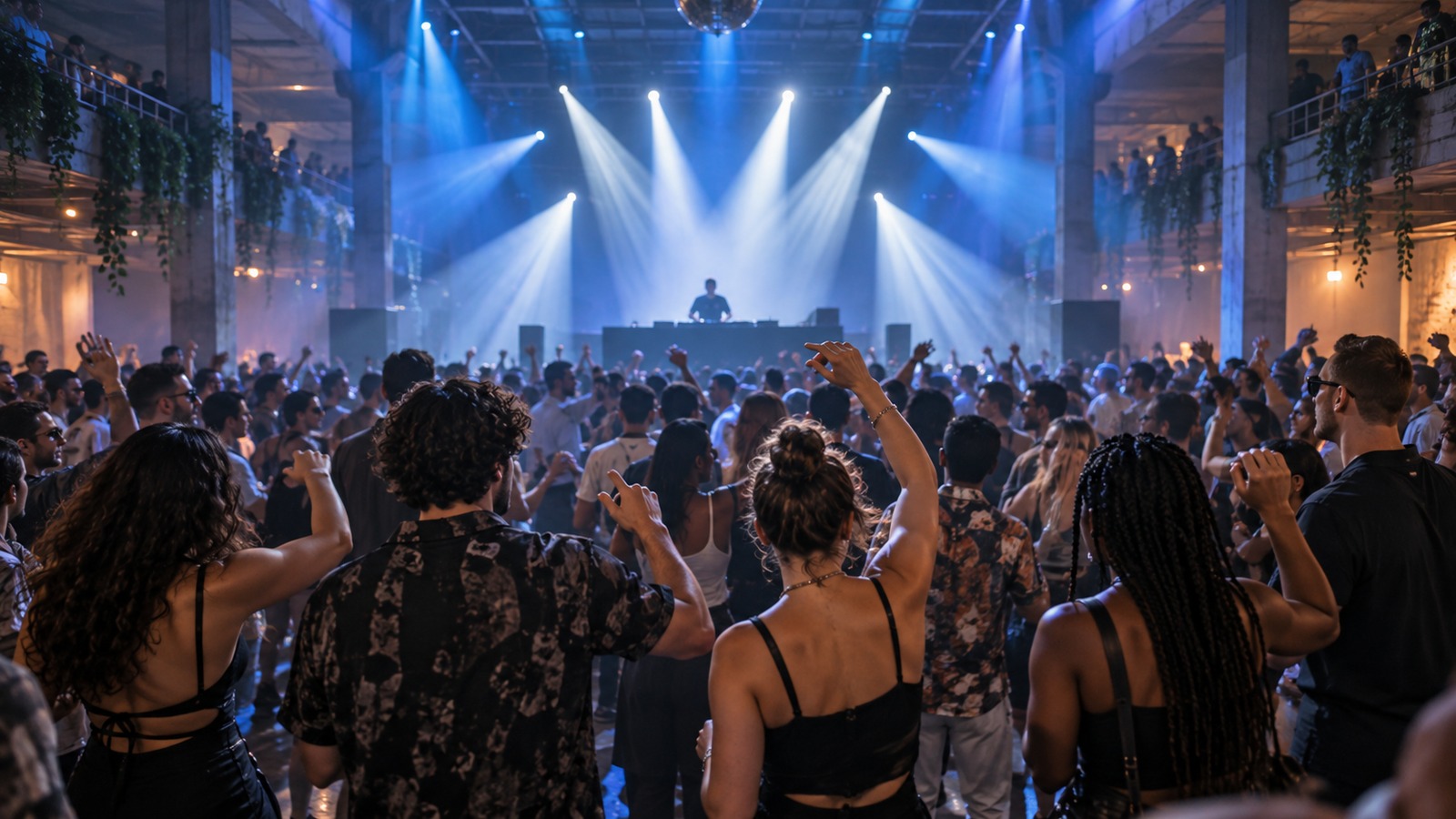
A DJ lets one rhythmic pattern continue while another gradually enters, and a room of dancers moves through the change without starting over. That transition reveals something fundamental about electronic dance music: individual tracks can belong to a larger experience unfolding in real time. EDM is short for electronic dance music, a broad term connecting electronic sound-making with dance-oriented traditions. It includes many approaches to rhythm, sound, and performance, although everyday use sometimes narrows the abbreviation toward festival culture. This introduction concentrates on how the music works for listeners, from the foundation of a groove to the choices that shape a complete set. A spectacular drop is one possible event within that experience. The steadier relationships among percussion, bass, phrasing, and musical change explain just as much about why people keep moving.
A: No. Home listening can reveal detail while its dance-oriented context remains useful.
A: Its umbrella includes multiple traditions with contrasting rhythmic approaches.
A: Selection, pacing and transitions can create a continuous performance.
A: An artist may do both, but the roles involve different musical work.
A: Open material can support transitions and establish a foundation.
A: Yes. Sustained grooves can develop through small shifts rather than dramatic releases.
A: Clubs, local events and other settings foreground different experiences.
A: Explore specific genre histories and hear complete recordings within their contexts.
A: Some effects are audible, but their exact mechanism may require reliable explanation.
A: The comparison reveals how recorded composition and DJ performance contribute differently.
The Dance Floor Gives Sound a Shared Purpose
EDM brings electronic resources into a musical setting where movement matters. Synthesizers, sampled sounds, programming, and processing can organize a pulse, suggest motion around it, or create contrasting spaces. The result need not sound identical from one genre to another. The common thread is a relationship between musical organization and a dance-oriented experience.
That relationship includes audiences as well as producers. A passage heard alone may seem almost unchanged, while a moving room reveals how tiny alterations renew participation. A returning bass figure can feel substantial because of the time spent without it. The music gains another dimension through the listener’s bodily involvement in its unfolding sequence.
Not every person hearing the recording must dance for that relationship to remain meaningful. Home listening can expose details that become less obvious in a venue, including texture, stereo placement, and subtle changes in articulation. The dance context helps explain the choices without prescribing a single correct response. A useful introduction leaves room for both concentrated hearing and shared movement.
The Umbrella Contains Distinct Traditions
House, techno, trance, drum and bass, dubstep, and other names describe different paths through the broader field. Their histories and rhythmic expectations deserve attention rather than being reduced to one sound. The Recording Academy’s dance/electronic category illustrates the variety recognized under an institutional umbrella. Its grouping provides a useful orientation, although musicians and communities may draw boundaries differently. Start with the broad connection, then use a particular genre name to pursue more detailed listening. That second step makes an unfamiliar playlist easier to understand because you can hear differences within the electronic resources it shares.
A Groove Is More Than a Kick Drum
For an immediate groove example, start with Daft Punk’s original ‘Around the World’ on Homework. The regular kick is only one layer: the rounded bass figure, processed voice and brighter percussion give the pulse its gait. A part can disappear while the underlying motion remains clear. Listen through a complete cycle of additions and removals rather than waiting only for a spectacular drop. The track demonstrates how dancing can be supported by a stable reference whose surrounding relationships keep changing.
Broken rhythms can produce a strong dance function too. A snare and bass pattern may imply movement through alternating weight rather than a kick on every beat. Hear the whole recurring figure before deciding how the track moves. Focusing on one drum sound alone can conceal the musical organization that makes the pattern compelling.
Production Shapes the Weight and Space of Each Part
Electronic production offers control over a sound’s attack, duration, tone, and apparent position. A bass line with a sharp beginning will relate differently to percussion than one that blooms more slowly. A bright sound can announce an entrance, while a quieter layer can maintain continuity almost unnoticed. Those differences help the arrangement keep several roles intelligible.
A producer also decides what to leave out. Removing a part can expose a groove’s foundation or make a later return more consequential. A spacious section need not represent an absence of work; it can depend on careful selection and balance. Listen for how much the remaining sounds accomplish when the texture thins.
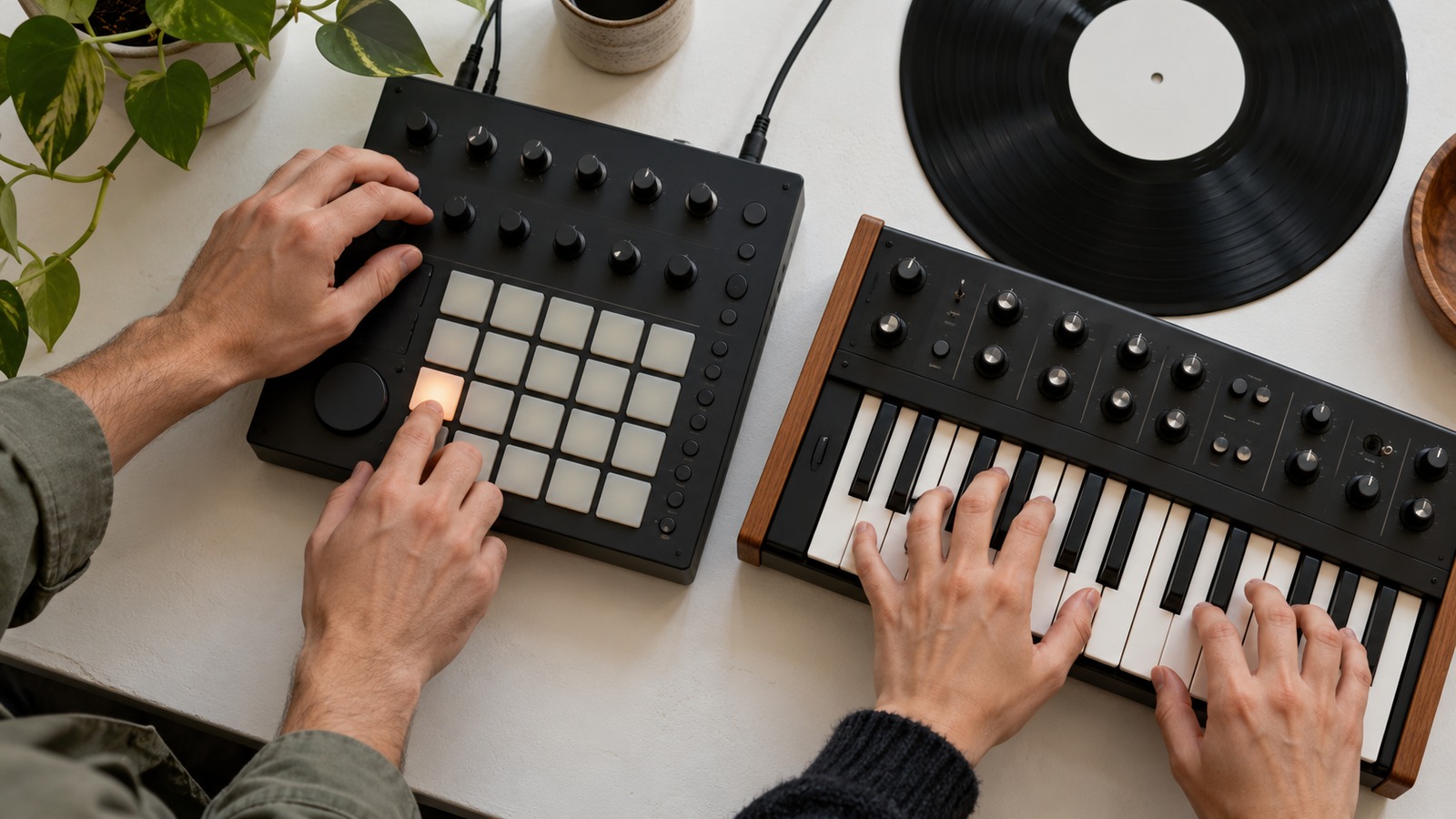
Equipment names cannot explain these decisions completely. The same software or instrument can produce contrasting results because the musical aims differ. A convincing track makes its resources serve a coherent sequence, whether the sound is polished, rough, dense, or restrained. Hearing the roles within that sequence provides more insight than assuming a particular machine guarantees a style.
Arrangement Organizes Attention Across Longer Spans
Dance tracks often develop through recurring phrases and changes that become legible over several repetitions. Percussion may enter, a bass pattern may withdraw, or a harmonic layer may widen the setting. A listener can anticipate a change without knowing exactly what will happen. That balance between recognition and surprise helps sustain involvement.
The arrangement can also provide material for a DJ’s transition. A relatively open introduction or ending may allow another track to enter without creating an overcrowded combination. These passages have a practical musical role even when they seem less dramatic in isolation. Hearing them within a set can reveal why their length and simplicity matter.
Builds and Releases Work Through Expectation
A build can intensify a passage by increasing density, changing register, shortening repeated gestures, or altering the apparent pressure of the sound. A release becomes effective through the expectation established before it, not only through its own volume or bass. Listen across the transition rather than isolating the arrival as the entire achievement. Some tracks use an emphatic contrast, while others create a satisfying return through small changes in balance. A drop is therefore an arrangement device with many possible forms. It does not supply a universal test for whether a piece belongs to electronic dance music.
The DJ Connects Records Into a Musical Argument
A particularly clear demonstration of recombination is Daft Punk’s Alive 2007 performance of ‘Around the World / Harder, Better, Faster, Stronger.’ The official live album identifies both source tracks in one joined performance. The familiar ‘Around the World’ bass setting becomes a foundation for vocal material recognized from ‘Harder, Better, Faster, Stronger.’ Instead of finishing one original recording and beginning the next unchanged, the performers make remembered components share time. That changes the listener’s anticipation: recognition of the incoming voice arrives before the older musical environment has fully disappeared.
Hear the two studio recordings first, then the combined live track. Concentrate on the point where the incoming processed vocal becomes recognizable and on which rhythmic foundation remains available beneath it. That is a concrete way to understand how selection, overlap and timing create a new argument from existing material. Alive 2007 documents a live electronic reconstruction; an ordinary DJ mix can use different tools while still making the relationship between outgoing and incoming material musically decisive.
A complete set also requires pacing. Repeatedly delivering the most emphatic possible event can reduce the difference between moments, while a quieter stretch can give a later intensification more meaning. The DJ’s work involves the distribution of attention and energy over time. Follow that larger shape to hear the performance beyond a collection of favorite tracks.
Producer and Performer Are Different Roles
A producer creates or develops the recorded work, while a DJ performs through selection and combination of recordings. One artist may do both, but the roles remain useful to distinguish. A live electronic performance can involve another combination of prepared material, instruments, sequencing, and real-time control. The presence of electronic equipment does not reveal the whole performance method.
Artist descriptions and reliable performance information can help identify what is happening. From the audience’s position, some decisions may be audible without the exact technical process being visible. It is reasonable to describe the result while leaving the mechanism uncertain. That distinction respects the performance without claiming to know which gesture controlled each sound.
Scenes Give the Music More Than a Technical History
Chicago’s acid-house history makes the community discussion specific. Phuture’s ‘Acid Tracks’ developed from experiments with a Roland TB-303 and found a testing ground through DJ Ron Hardy at the Music Box. Roland’s history with DJ Pierre connects the machine, musicians, club and 1987 Trax release. The squelching sequence was not simply a preset discovered in isolation. Its dance-floor use helped turn a strange sound into a shared musical language, showing how production and a local audience could shape each other.
Festival Presentation Is One Part of the Field
Large stages can make dramatic contrast especially visible through sound, lighting, and a performer’s public presence. A track designed for that setting may offer clearly recognizable points of shared anticipation. This experience can be valuable on its own terms. It does not represent every way electronic dance music is produced or heard.
A smaller club or local event may organize participation around continuity, close attention, or a particular community’s preferences. The difference is not automatically a ranking of sincerity or musical value. Different settings foreground different choices. Hear what the performance attempts to sustain before applying expectations borrowed from another kind of venue.
Vocals, Hooks and Texture Can Share the Foreground
A dance recording may rely on a sung phrase, a repeated instrumental idea, or the shifting character of its sound. A vocal can provide a point of recognition while the rhythm continues to do important work underneath. An instrumental hook can become equally memorable through contour, timing, or tone. The foreground does not need to remain fixed throughout the piece.
Listen for moments when a formerly supporting layer becomes central. A bass line may become exposed after a vocal withdraws, or a sustained texture may acquire significance when percussion thins. These changes keep familiar material active without requiring a new melody at every stage. They also explain why a track can reveal more detail after repeated listening.
Lyrics, when present, should be understood through their role in the whole recording. A short phrase can invite collective recognition without supplying an extended narrative. Another song may foreground a developed vocal story while retaining a strong dance arrangement. Neither approach defines the entire field, and each asks for a slightly different kind of attention.
Hear a Track, Then Hear What a Set Makes of It
The starter session is now specific: play ‘Around the World,’ then ‘Harder, Better, Faster, Stronger,’ then their combined Alive 2007 performance. Compare the amount of time each original gives its own signature with the live version’s overlapping recognition. A second route is Fred again..’s official 2022 Boiler Room London set, published by Boiler Room. Follow a longer stretch rather than judging the whole performance from one celebrated interruption or crowd reaction. The set format lets you hear changes of pace, vocal presence and rhythmic weight as connected decisions.
Compare the two experiences without expecting them to produce the same impression. A track’s own arrangement is one musical sequence; a DJ can place parts of that sequence within another. The difference helps clarify why electronic dance music includes both recorded composition and performance culture. Each contributes something the other cannot explain alone.
A Useful Definition Keeps the Experience Open
EDM is a broad name for electronic dance music, connecting electronically shaped sound with dance-oriented traditions and settings. Its varied genres, arrangement practices, and performance roles make it larger than a single beat or dramatic release. Learn a few specific styles, hear complete tracks and sets, and pay attention to the relationships that sustain movement. As those details become familiar, the umbrella label becomes a starting point rather than a limit. You can appreciate a spectacular moment while also recognizing the selection, pacing, and quieter decisions that gave it a place within the music. Keep a listening journal with specific observations about entrances, withdrawals and transitions. Over several sessions, those details will show which kinds of movement and musical development you want to explore next.