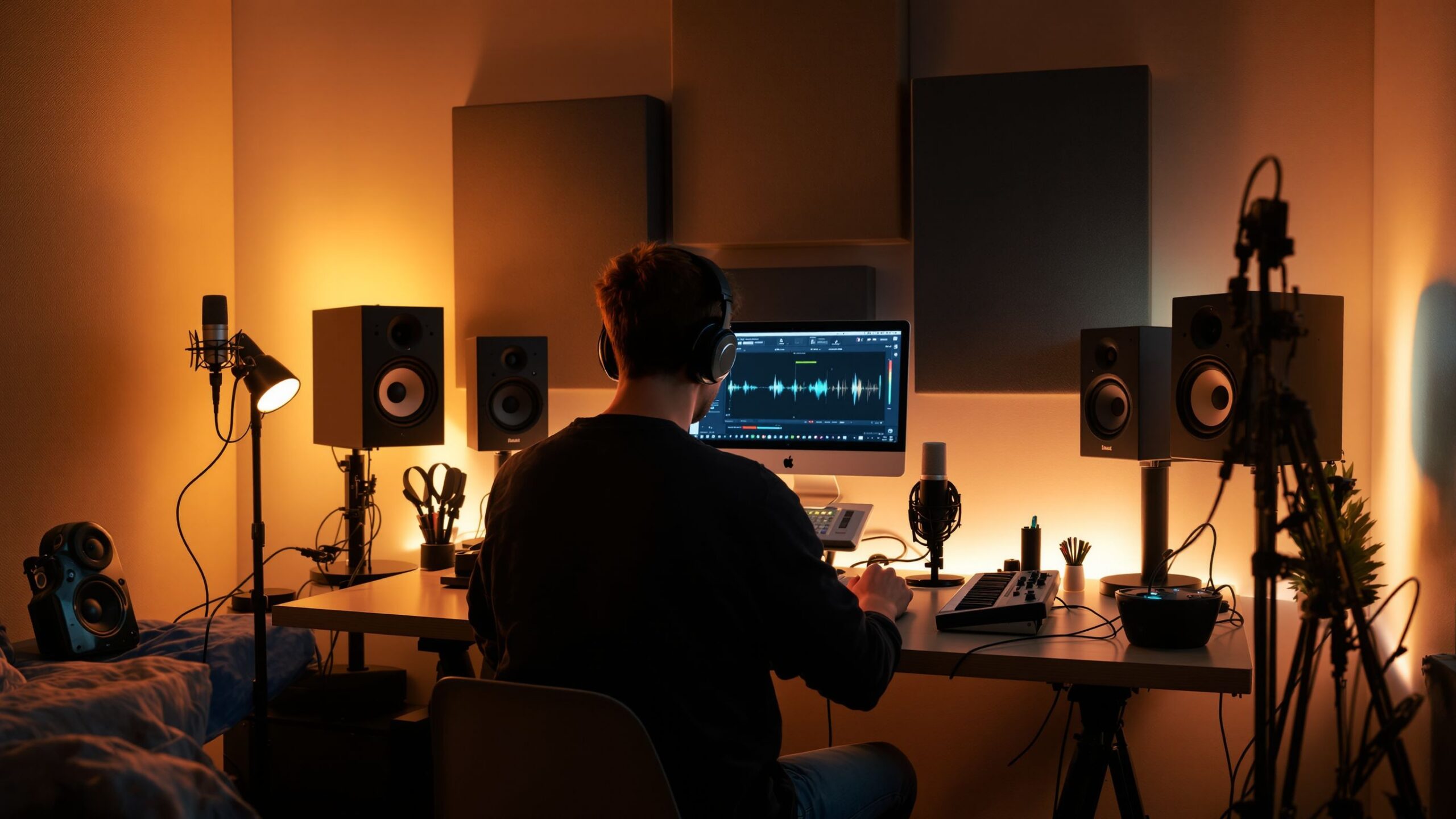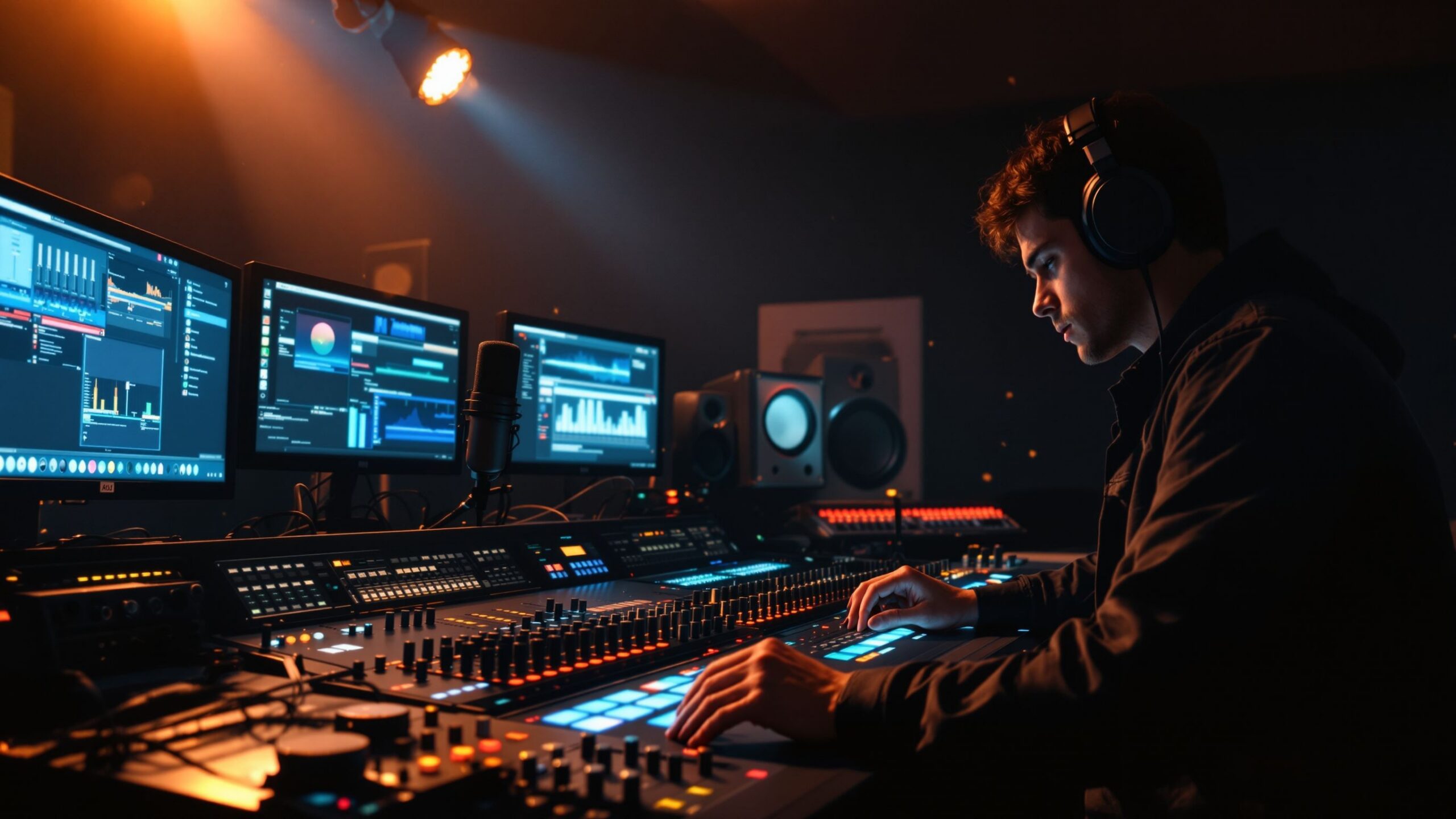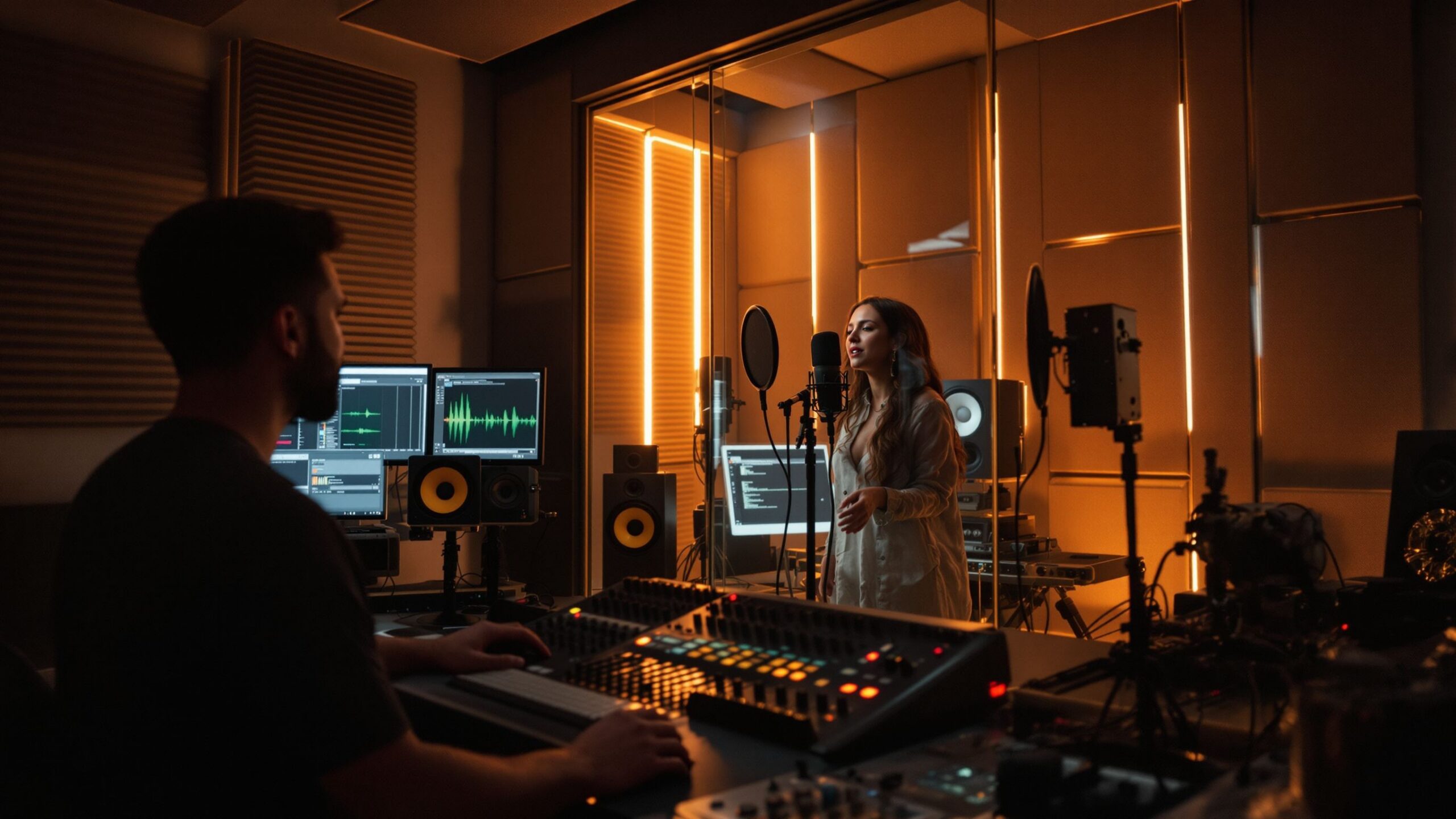
Music recording is the art of capturing sound and transforming it into a polished piece of audio that can be shared, streamed, or performed again and again. For beginners, the process may seem complex, filled with unfamiliar terms and technical equipment, but at its heart, music recording is a creative journey that blends technology with artistic expression. Understanding how it works opens the door to producing your own songs, collaborating with others, and bringing musical ideas to life in a tangible way. At its simplest level, music recording involves capturing sound, storing it, and refining it into a final product. This journey typically follows a series of stages that include recording, editing, mixing, and mastering. Each stage plays a vital role in shaping the final sound, turning raw performances into cohesive and professional recordings. Whether you are recording vocals, instruments, or digital sounds, the fundamentals remain the same.
A: A microphone or instrument sends sound into recording gear, where it becomes digital audio that can be edited and mixed.
A: A microphone or instrument, headphones, recording software, and often an audio interface are enough to begin.
A: A DAW is digital audio workstation software used to record, edit, arrange, mix, and export music.
A: Separate tracks make it easier to edit, balance, fix, and mix each part of the song.
A: Recording captures the performances; mixing blends the tracks into a finished-sounding song.
A: No. Many songs start in bedrooms, home studios, and small spaces with careful setup.
A: Muddy sound can come from room echo, poor mic placement, too much low end, or crowded arrangements.
A: It is usually safer to record clean and add effects later, unless the effect is essential to the performance.
A: Overdubbing means adding new parts on top of tracks that have already been recorded.
A: Strong performance, clean levels, good arrangement, smart editing, balanced mixing, and careful mastering all help.
The Foundation: Capturing Sound
The recording process begins with capturing sound using a microphone or a direct input connection. When a musician sings or plays an instrument, sound waves travel through the air and are picked up by a microphone. The microphone converts these vibrations into an electrical signal, which is then sent to a recording device or computer.
Different types of microphones are used depending on the sound being recorded. Condenser microphones are often used for vocals and acoustic instruments because of their sensitivity and clarity, while dynamic microphones are commonly used for louder sources like drums or guitar amplifiers. The choice of microphone can greatly influence the tone and character of the recording.
In some cases, instruments like electric guitars or keyboards can be recorded directly through an audio interface without using a microphone. This method captures a clean signal that can later be shaped and enhanced using digital tools.
From Analog to Digital
Once sound is captured, it must be converted into a format that can be stored and manipulated. This is where analog-to-digital conversion comes into play. The electrical signal generated by a microphone is converted into digital data that a computer can process.
This conversion process is handled by an audio interface or recording device. The quality of this step is crucial, as it determines how accurately the original sound is preserved. Higher-quality interfaces provide cleaner, more detailed recordings, which are easier to work with during later stages.
Digital recording has revolutionized music production, allowing artists to record multiple tracks, edit performances, and experiment with sounds in ways that were not possible with older analog systems.
Multitrack Recording: Building a Song Layer by Layer
One of the most powerful aspects of modern music recording is multitrack recording. Instead of recording all elements of a song at once, each instrument and vocal part can be recorded separately on its own track. This allows for greater control and flexibility during the production process.
For example, a song might begin with a drum track, followed by bass, guitars, keyboards, and vocals. Each part is recorded individually, allowing the artist or producer to focus on capturing the best possible performance for each element. If a mistake is made, only that specific track needs to be re-recorded rather than the entire song.
Multitrack recording also makes it possible to experiment with arrangements, add harmonies, and layer sounds to create depth and richness in the final recording.
Editing: Refining the Performance
After recording, the next step is editing. This stage involves cleaning up the recorded tracks and making adjustments to improve the overall performance. Editing can include removing unwanted noise, correcting timing issues, and selecting the best takes from multiple recordings.
Modern recording software allows for precise editing, enabling users to cut, copy, and move audio segments with ease. Pitch correction tools can be used to fix minor vocal inaccuracies, while time-stretching features help align tracks so they stay in rhythm.
Editing is not about perfection but about enhancing the performance while preserving its natural feel. A well-edited track maintains the emotion and energy of the original recording while eliminating distractions.
Mixing: Balancing the Sound
Once all tracks are recorded and edited, the next stage is mixing. Mixing is the process of combining individual tracks into a cohesive and balanced final mix. This involves adjusting volume levels, panning sounds across the stereo field, and applying effects such as equalization, compression, and reverb.
Equalization, or EQ, is used to shape the tonal balance of each track by boosting or cutting specific frequencies. Compression helps control the dynamic range, ensuring that quieter parts are audible while preventing louder sections from becoming overwhelming. Reverb and delay add space and depth, creating a sense of environment within the recording.
The goal of mixing is to ensure that each element of the song can be heard clearly while working together harmoniously. A good mix highlights the most important parts of the song and creates an engaging listening experience.
Mastering: The Final Polish
Mastering is the final step in the music recording process. It involves preparing the mixed track for distribution by enhancing its overall sound and ensuring consistency across different playback systems.
During mastering, subtle adjustments are made to the track’s overall EQ, compression, and volume levels. The goal is to create a polished and professional sound that translates well whether the listener is using headphones, car speakers, or a home stereo system.
Mastering also ensures that the track meets industry standards for loudness and format, making it ready for streaming platforms, radio, or physical media.
The Role of Recording Software
Digital audio workstations, commonly known as DAWs, are at the center of modern music recording. These software platforms provide all the tools needed to record, edit, mix, and master audio in one place.
Popular DAWs offer user-friendly interfaces and a wide range of features, including virtual instruments, effects plugins, and automation tools. For beginners, learning how to navigate a DAW is one of the most important steps in the recording process.
With a DAW, you can build entire songs from scratch, experiment with different sounds, and refine your recordings with precision. The flexibility and power of these tools have made music production more accessible than ever before.
The Importance of Acoustics
The environment in which music is recorded plays a significant role in the final sound. Poor acoustics can introduce unwanted reflections, echoes, and background noise, which can degrade the quality of a recording.
Simple steps such as choosing a quiet room, using soft materials to absorb sound, and positioning microphones carefully can greatly improve recording quality. Professional studios are designed with acoustics in mind, but even a home setup can achieve excellent results with thoughtful preparation.
Understanding how sound behaves in a space helps you make better decisions and capture cleaner recordings.
Common Challenges for Beginners
Beginners often face challenges when learning how music recording works. One common issue is recording levels that are too high or too low, leading to distortion or weak signals. Another challenge is balancing multiple tracks during mixing, which requires practice and a good ear for detail.
Overusing effects is another common mistake. While effects can enhance a recording, using too many can make it sound cluttered or unnatural. Learning to use tools subtly and effectively is key to achieving a professional sound.
Patience and experimentation are essential. Every recording session is an opportunity to learn and improve.
Bringing Creativity Into the Process
While the technical aspects of music recording are important, creativity is what truly brings a recording to life. Experimenting with different sounds, arrangements, and techniques allows you to develop your own unique style.
Music recording is not just about capturing sound but about expressing ideas and emotions. Whether you are recording a simple melody or a complex composition, the process is an opportunity to explore and create something meaningful.
Conclusion: Turning Sound Into Music
Music recording is a fascinating blend of science and art, offering endless possibilities for creativity and expression. By understanding the basics of how it works, beginners can confidently take their first steps into the world of recording.
From capturing sound to mastering the final track, each stage of the process contributes to the creation of a finished piece of music. With practice, patience, and a willingness to learn, anyone can transform their musical ideas into recordings that resonate with listeners.