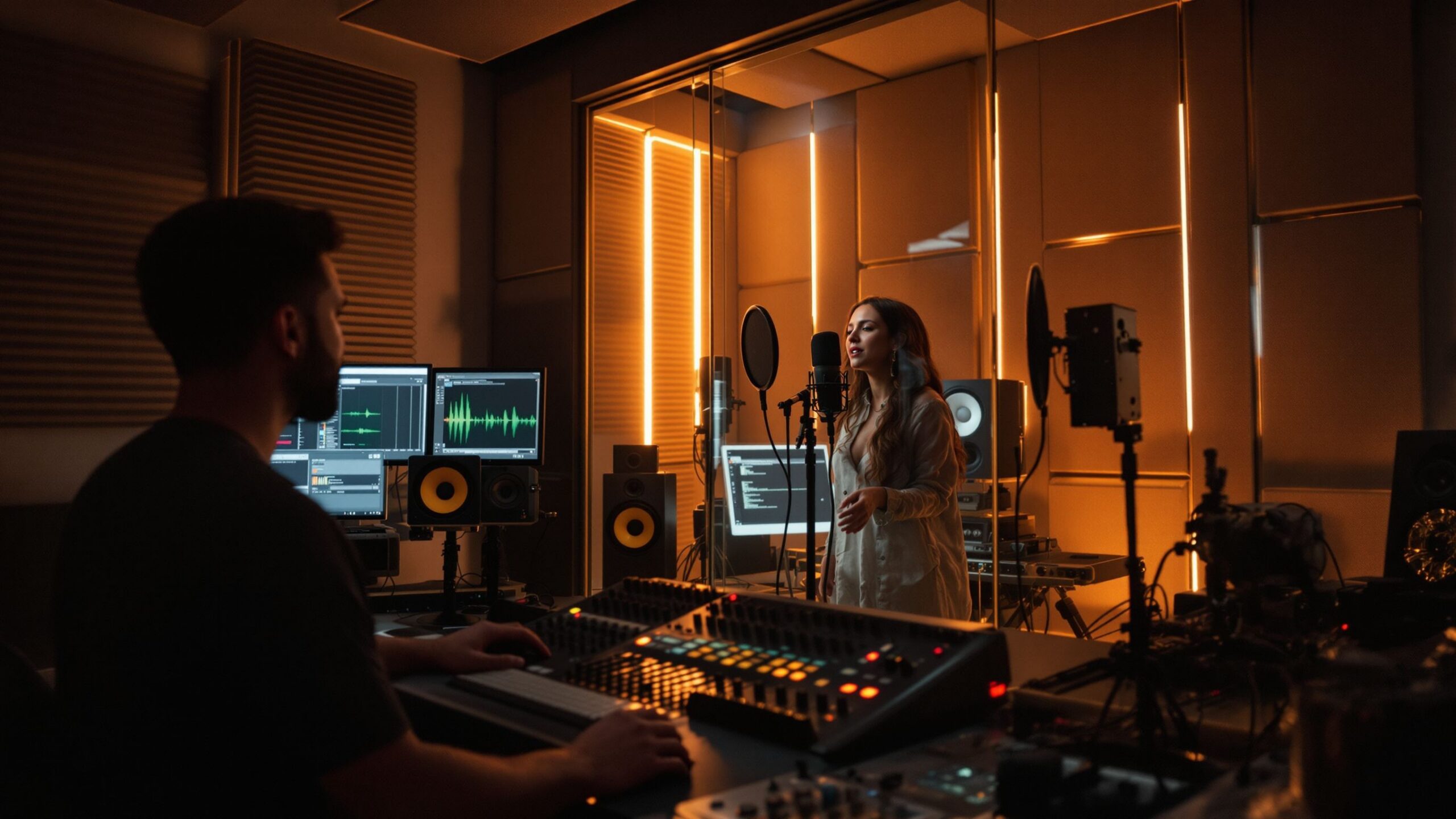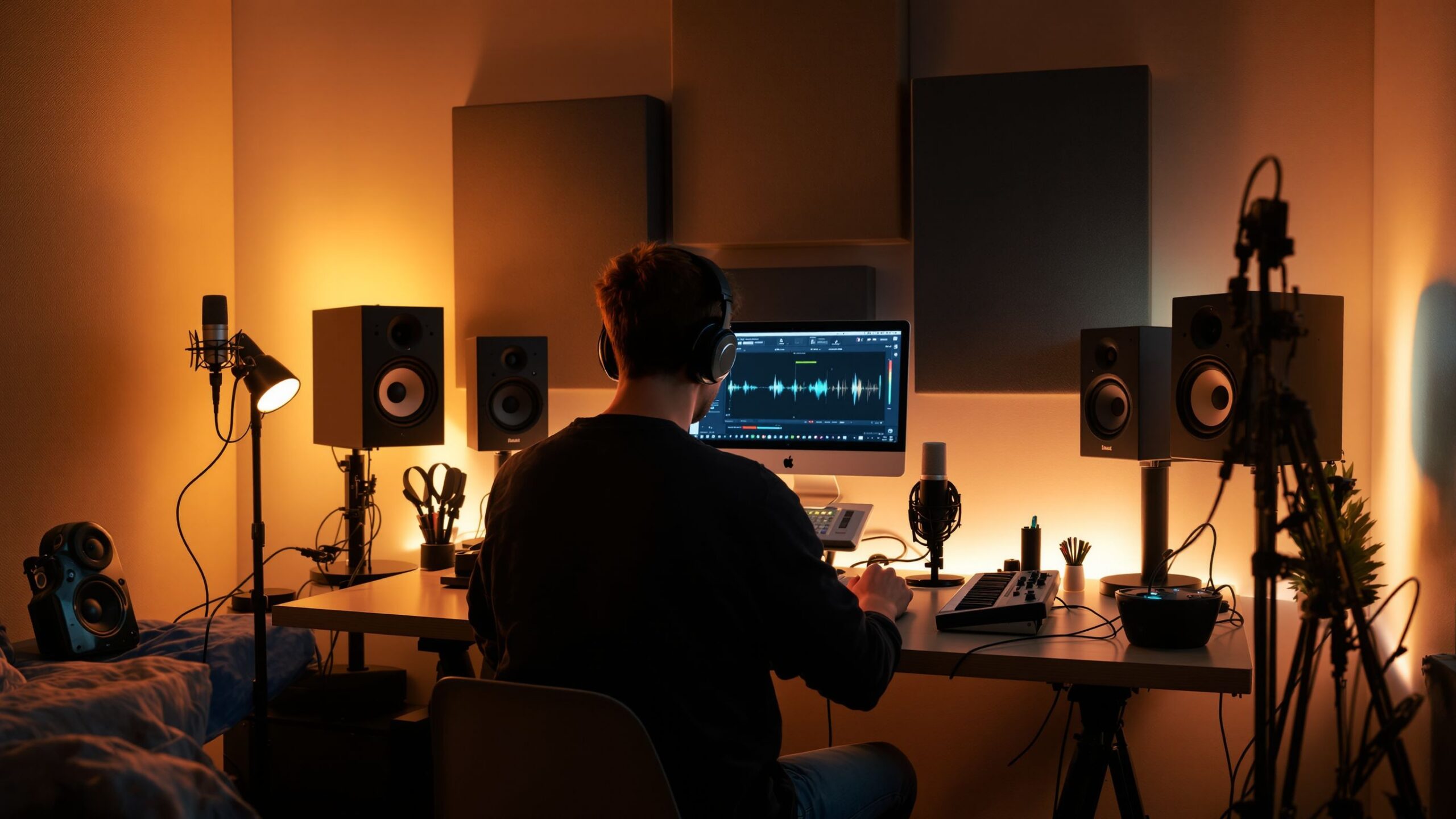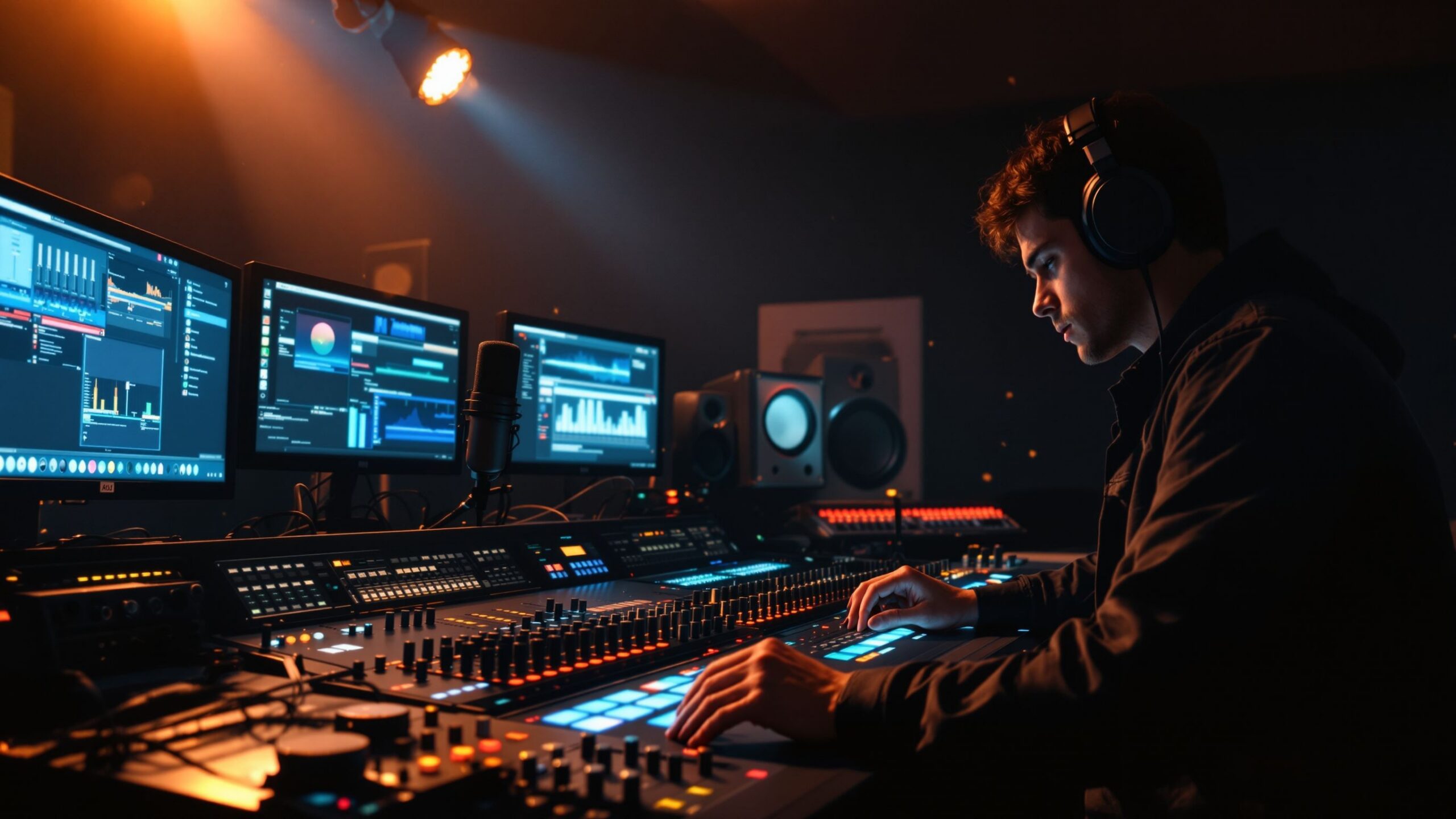
Audio recording is one of the most powerful and transformative technologies ever created, allowing us to capture moments, preserve voices, create music, and tell stories that can be shared across the world. Whether it’s a podcast recorded in a bedroom studio, a chart-topping song produced in a professional environment, or a simple voice memo captured on a smartphone, audio recording is at the heart of modern communication and creativity. For beginners, the world of audio recording may seem technical and overwhelming at first, but once you understand the fundamentals, it becomes an exciting and accessible craft that anyone can explore. At its core, audio recording is the process of capturing sound waves and converting them into a format that can be stored, edited, and played back. Sound waves are vibrations that travel through the air, created by anything from a human voice to a musical instrument or ambient noise. Recording equipment captures these vibrations and transforms them into electrical signals or digital data, which can then be manipulated and reproduced. This simple concept forms the foundation for everything from music production to filmmaking, broadcasting, and even voice messaging.
A: It is the process of capturing sound so it can be saved, edited, mixed, and played back.
A: No. A quiet space, a reliable microphone, headphones, and simple recording software are enough to start.
A: Yes. USB mics are easy to set up and work well for podcasts, voiceovers, and basic music recording.
A: Distortion often happens when input gain is too high and the signal clips.
A: Vocals, podcasts, and single instruments are often recorded in mono; wider scenes or instrument pairs may use stereo.
A: A quiet, soft-furnished room with minimal echo is usually best for beginners.
A: Echo comes from sound reflecting off hard surfaces like walls, floors, windows, and desks.
A: It connects microphones and instruments to your computer and converts audio into digital data.
A: A common starting point is about 6–8 inches for vocals, then adjust based on tone and room sound.
A: Make a short test recording to check levels, noise, mic position, and clarity.
The Evolution of Audio Recording
The journey of audio recording began in the late 19th century with mechanical devices that etched sound waves onto physical materials like wax cylinders. These early inventions were groundbreaking, allowing sound to be preserved for the first time in history. As technology advanced, analog recording methods emerged, using magnetic tape to store audio signals. Tape recording became the industry standard for decades, shaping the sound of music and radio throughout the 20th century.
Today, digital recording has taken center stage, offering unprecedented clarity, flexibility, and convenience. Instead of relying on physical media, digital systems convert sound into binary data, which can be stored on computers and shared instantly across the internet. This shift has democratized audio recording, making it possible for beginners to produce high-quality recordings without expensive equipment or specialized studios.
How Sound Becomes a Recording
Understanding how sound is transformed into a recording is essential for beginners. The process begins with a microphone, which acts as the gateway between the physical world and the digital realm. Microphones capture sound waves and convert them into electrical signals through a diaphragm that vibrates in response to sound pressure.
Once the sound is captured, it travels through an audio interface or recording device, where it is converted from an analog signal into a digital format. This process is known as analog-to-digital conversion. The resulting digital data can then be stored on a computer, edited using software, and played back through speakers or headphones.
The quality of a recording depends on several factors, including the microphone used, the recording environment, and the settings chosen during the recording process. Even small adjustments can make a significant difference, which is why understanding the basics is so important for beginners.
Essential Audio Recording Equipment
For those just starting out, the good news is that you don’t need a professional studio to begin recording. A simple setup can produce impressive results if used correctly. The most important piece of equipment is the microphone, which comes in various types designed for different purposes. Condenser microphones are popular for studio recording due to their sensitivity and clarity, while dynamic microphones are more durable and better suited for live or louder environments.
In addition to a microphone, an audio interface is often used to connect the microphone to a computer. This device ensures high-quality sound conversion and provides better control over recording levels. Headphones are also essential, allowing you to monitor your audio in real time and catch any issues during recording.
Recording software, often referred to as a digital audio workstation or DAW, is another key component. DAWs allow you to record, edit, and mix audio tracks with precision. Many beginner-friendly options are available, offering intuitive interfaces and powerful features that make the recording process accessible to newcomers.
Choosing the Right Recording Environment
One of the most overlooked aspects of audio recording is the environment in which it takes place. Even the best equipment cannot compensate for poor acoustics or excessive background noise. Sound reflections, echoes, and unwanted noise can all impact the quality of a recording, making it sound unprofessional or difficult to understand.
Creating a suitable recording environment doesn’t require expensive soundproofing. Simple steps such as choosing a quiet room, using soft furnishings to absorb sound, and positioning the microphone correctly can significantly improve your recordings. Closets filled with clothes, for example, can serve as surprisingly effective recording spaces due to their natural sound absorption.
Understanding how sound interacts with your environment allows you to make informed decisions that enhance the clarity and quality of your recordings. For beginners, experimenting with different setups is a valuable way to learn and improve.
Basic Recording Techniques
Mastering basic recording techniques is essential for achieving consistent and professional results. One of the most important concepts is microphone placement. The distance between the microphone and the sound source can greatly affect the tone and clarity of the recording. Too close, and the sound may become distorted or overly bass-heavy; too far, and it may lose detail and presence.
Proper gain staging is another critical technique. This involves setting the recording levels so that the audio is neither too quiet nor too loud. Recording at appropriate levels prevents distortion and ensures that your audio retains its dynamic range.
Consistency is key when recording multiple takes or tracks. Maintaining the same microphone position and recording settings helps create a cohesive sound, which is especially important in music production and podcasting.
Understanding Audio Formats and Quality
When recording audio, you’ll encounter different file formats and quality settings that can impact the final result. Digital audio is measured in terms of sample rate and bit depth, which determine how accurately sound is captured and reproduced. Higher sample rates and bit depths generally result in better quality but also require more storage space.
Common audio formats include WAV, which offers high-quality, uncompressed audio, and MP3, which uses compression to reduce file size at the expense of some quality. For beginners, understanding the trade-offs between quality and file size is important when choosing how to save and share recordings.
Choosing the right format depends on your goals. If you’re creating music or professional content, higher-quality formats are recommended. For casual use or online sharing, compressed formats may be more practical.
Editing and Enhancing Your Recordings
Recording is only the first step in the audio production process. Editing allows you to refine your recordings, remove unwanted noise, and enhance the overall sound. Modern DAWs provide a wide range of tools for editing, from simple trimming and cutting to advanced effects and processing.
Basic editing techniques include removing mistakes, adjusting volume levels, and applying equalization to balance frequencies. Compression can be used to control dynamic range, making quiet sounds more audible and loud sounds less overpowering. Reverb and other effects can add depth and character to your recordings, creating a more immersive listening experience.
For beginners, it’s important to approach editing with a light touch. Overprocessing can degrade the quality of your audio, so subtle adjustments are often more effective.
Common Mistakes Beginners Should Avoid
As with any new skill, beginners in audio recording often encounter common pitfalls. One of the most frequent mistakes is neglecting the recording environment, leading to recordings that are filled with background noise or echo. Another common issue is improper gain staging, which can result in distorted or unusable audio.
Using low-quality equipment or relying solely on built-in microphones can also limit the potential of your recordings. While it’s possible to start with minimal gear, investing in a good microphone and basic accessories can make a significant difference.
Rushing the recording process is another mistake to avoid. Taking the time to set up properly, test your equipment, and monitor your audio ensures better results and saves time during editing.
Applications of Audio Recording
Audio recording plays a vital role in countless industries and creative pursuits. In music production, it enables artists to capture performances and create polished tracks. In podcasting, it allows creators to share stories, interviews, and insights with a global audience. Film and television rely on audio recording to capture dialogue, sound effects, and music that bring visual content to life.
Beyond entertainment, audio recording is used in education, journalism, and business communication. Voiceovers, audiobooks, and online courses all depend on high-quality recordings to engage listeners and convey information effectively.
The versatility of audio recording makes it a valuable skill for anyone interested in communication, creativity, or storytelling.
Getting Started with Your First Recording
For beginners eager to start recording, the best approach is to keep things simple and focus on learning the basics. Choose a quiet space, set up your microphone, and use recording software to capture your audio. Experiment with different settings and techniques to discover what works best for your needs.
Listening back to your recordings is an essential part of the learning process. It allows you to identify areas for improvement and develop a better understanding of how your choices affect the final sound. Over time, you’ll gain confidence and refine your skills, leading to higher-quality recordings.
Practice is key, and every recording session provides an opportunity to learn and grow. With patience and dedication, even beginners can achieve impressive results.
The Future of Audio Recording
The world of audio recording continues to evolve, driven by advancements in technology and changing consumer preferences. Artificial intelligence, immersive audio formats, and cloud-based collaboration tools are reshaping how recordings are created and shared. These innovations are making audio recording more accessible and opening new possibilities for creativity.
For beginners, this means there has never been a better time to explore audio recording. The tools and resources available today make it easier than ever to start capturing sound and bringing ideas to life.
Unlocking the Power of Sound
Audio recording is more than just a technical process; it is a gateway to creativity, communication, and storytelling. By understanding the fundamentals and practicing essential techniques, beginners can unlock the potential of sound and create recordings that resonate with listeners.
Whether you’re interested in music, podcasting, or simply preserving memories, audio recording offers endless opportunities to express yourself and connect with others. With the right approach and a willingness to learn, anyone can begin their journey into the fascinating world of capturing sound.