Begin With a Sound You Want to Hear Again
You do not need to recognize every instrument, understand harmony, or know a composer’s biography before classical music can make an impression. A clear melodic line, a striking change of color, or the movement of one instrument may be enough to hold your attention. The best beginning is a manageable encounter that gives you a reason to return. This guide offers contrasting entry points rather than a course you must complete in one correct order. Some selections are brief works, others are individual movements that can lead toward a larger composition. Their purpose is to introduce useful listening experiences: recognizing return, hearing contrast, following a line, and noticing dialogue. Choose what interests you, keep the volume comfortable, and allow familiarity to develop without treating each playback as a test of knowledge or taste.
A: No. Melody, color, movement and contrast are available immediately.
A: A focused encounter can be more useful than distracted coverage.
A: A clear, complete version is usually enough to begin.
A: Recognition often makes previously hidden relationships easier to follow.
A: Yes, especially when it later leads toward the complete work.
A: No. Restraint can expose demanding interpretive choices.
A: A small ensemble can make individual exchanges easier to hear.
A: No. A developing listening habit includes particular preferences and uncertainties.
A: Save enough naming information to find the exact work and movement.
A: Choose a sound or relationship you want to explore further.
Make the First Session Small Enough to Enjoy
A long list can make a beginner feel that appreciation requires immediate coverage of several centuries. A shorter session is usually more useful. Choose one or two selections and give them enough attention to become recognizable, rather than moving quickly through many unfamiliar titles. The aim is to hear something particular, not to prove that you have encountered every celebrated composer. A complete short piece can provide a stronger experience than a distracted pass through a much longer work. When curiosity grows, the next step can come from that interest rather than an obligation to follow a predetermined ladder.
Bach: Prelude From Cello Suite No. 1
The Prelude from Bach’s Cello Suite No. 1 in G major, BWV 1007, offers one instrumental sound and a continuous sense of movement. This makes it useful for hearing how an apparently simple setup can imply several musical relationships. Follow the changing shape of the line, including where it seems to gather momentum or settle. You do not need to label every harmony to notice direction.
A second listen can focus on the performer’s pacing. The same written material can feel more flowing or more deliberately shaped in different recordings. The Los Angeles Philharmonic’s suite discussion provides historical context. Start with the sound, then explore that context if it makes the experience more interesting. The cello’s exposed presence keeps the relationship between a musical idea and its interpretation unusually easy to hear.
Vivaldi: The Opening Movement of Spring
The Allegro opening Vivaldi’s ‘Spring,’ Violin Concerto in E major, RV 269, from The Four Seasons, gives the listener recognizable returns and contrasting instrumental activity. The recurring material can provide orientation while the solo violin changes the foreground. Hear when the ensemble seems to reestablish a familiar setting. Recognition can turn an unfamiliar sequence into something you follow actively.
The music also has a programmatic connection with seasonal imagery. The Library of Congress’s Four Seasons essay includes the associated sonnets. Reading them can supply another route into the work, but it is not required before listening. The instrumental behavior remains available through sound, including changes in motion, emphasis, and color.
After the first movement, try the remainder of the concerto when you want another perspective. Slower and faster sections can give the same instrumental world different purposes. That move from a doorway to a larger sequence is often more rewarding than abandoning one recognizable movement for a completely unrelated new title. Familiarity makes further listening less like starting from nothing.
Beethoven: The Opening Movement of Symphony No. 5
The Allegro con brio of Beethoven’s Symphony No. 5 in C minor, Op. 67, begins with a gesture many listeners already recognize, then develops a much larger experience around it. The useful beginner task is to hear beyond the opening rather than treating recognition as the end of attention. Notice how the gesture changes its setting and how contrasting material gives it another meaning on return. A few familiar sounds can organize a long movement without making every passage identical. This offers an accessible introduction to musical development: an idea can persist, transform, and participate in a wider argument. The full symphony later gives that first encounter additional context through movements with different scales and characters.
Satie: Gymnopédie No. 1
Satie’s 1888 Gymnopédie No. 1 for piano offers a restrained piano setting in which small decisions remain audible. The melody and accompanying pattern create a recognizable relationship without requiring a dense instrumental surface. Listen to the space around the line and the feeling of each return. The work can introduce attention to pacing rather than an expectation of continuous dramatic expansion.
Its calm character does not mean the performer has nothing to shape. A pause, a balance between hands, or the weight of a melodic entrance can alter the experience. Compare interpretations only after giving one a full hearing. This helps distinguish the writing’s identity from the pianist’s particular realization, while avoiding the idea that short or quiet music is automatically easier to perform or less worth examining.
Clara Schumann: The First Romance, Op. 22
Clara Schumann’s Romance in D-flat major, Op. 22 No. 1, for violin and piano, introduces a different kind of intimacy: two musicians sustaining a lyrical relationship. Follow the violin line first, then hear what the piano adds around it. The second instrument does more than fill the background. Its harmonic and rhythmic choices help give the melody a particular setting.
The LA Phil’s work notes provide context for the collection. The piece also broadens an introduction that might otherwise repeat only a small set of familiar male composers. Begin with the same musical attention offered to any work, then let historical information clarify the circumstances around it.
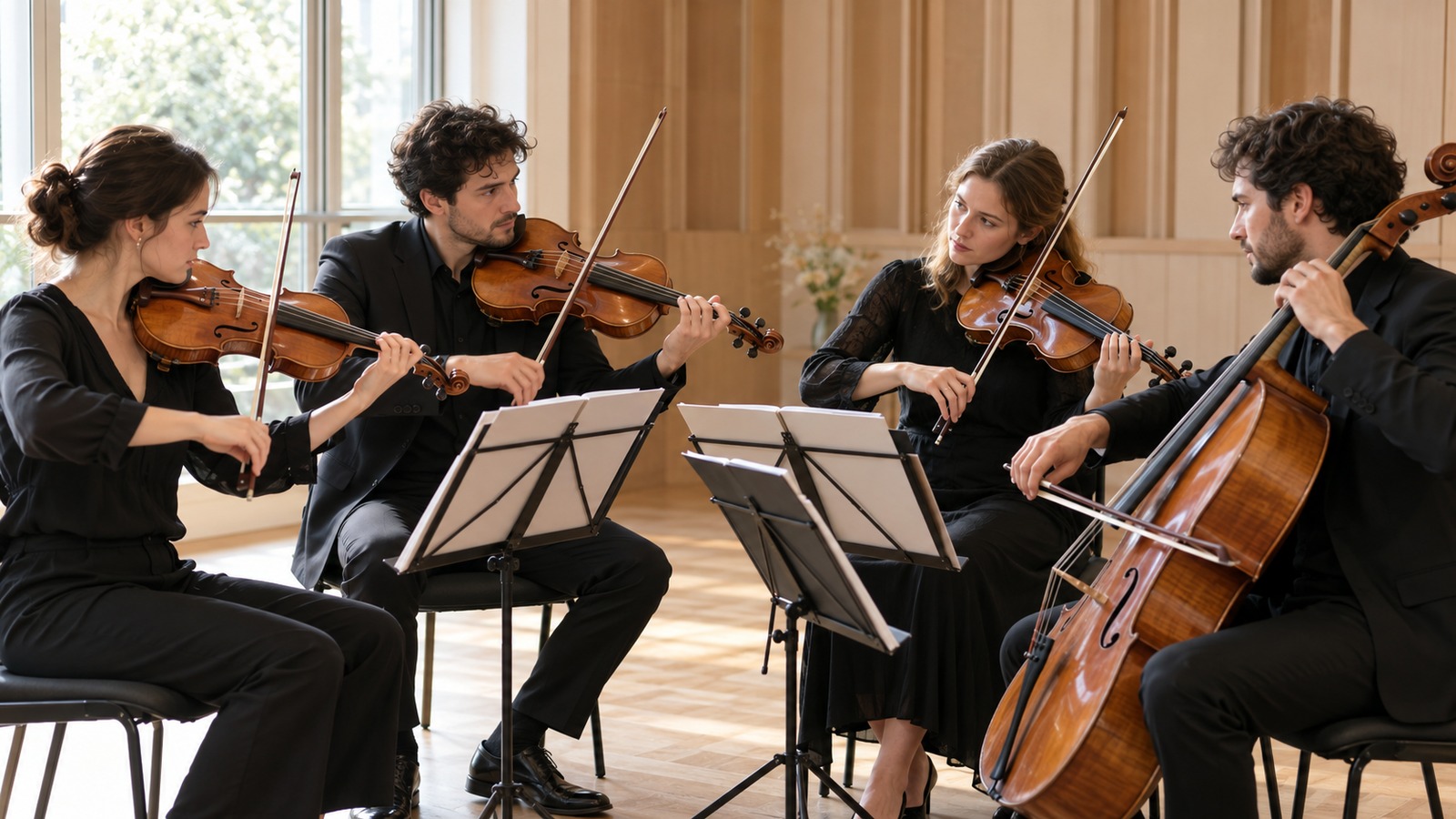
Chamber music can be especially welcoming when the listener enjoys hearing individual parts. A small ensemble makes exchanges easier to follow without eliminating complexity. Notice whether the instruments move together, answer one another, or occupy contrasting roles. These observations give you a listening vocabulary grounded in the actual performance rather than a set of terms learned without an audible example.
Tchaikovsky: Dance of the Sugar Plum Fairy
The ‘Dance of the Sugar Plum Fairy’ from Tchaikovsky’s 1892 ballet The Nutcracker, Op. 71, owes its glittering lead sound to the celesta. This keyboard instrument strikes metal plates, producing a small, bell-like tone with a rounded attack. Hear it above the lower plucked strings: the difference in weight helps make the dancer’s world seem suspended and delicate. The piece is brief enough to replay without turning a first session into a major undertaking. First follow the celesta melody, then return to the quiet instrumental activity underneath. A recognizable timbre gives you a way into orchestration before you know every orchestral instrument’s name.
Handel: A Dance From Water Music
Choose the ‘Alla Hornpipe’ from Handel’s Water Music Suite in D major, HWV 349. The buoyant opening exchanges and prominent brass make its public, festive character clear, while a contrasting middle passage changes the instrumental color before the opening material returns. This is a particular movement to search for, rather than an instruction to choose an unidentified dance from a large suite. Different recordings may group the Water Music movements differently, so the title and HWV number are useful anchors.
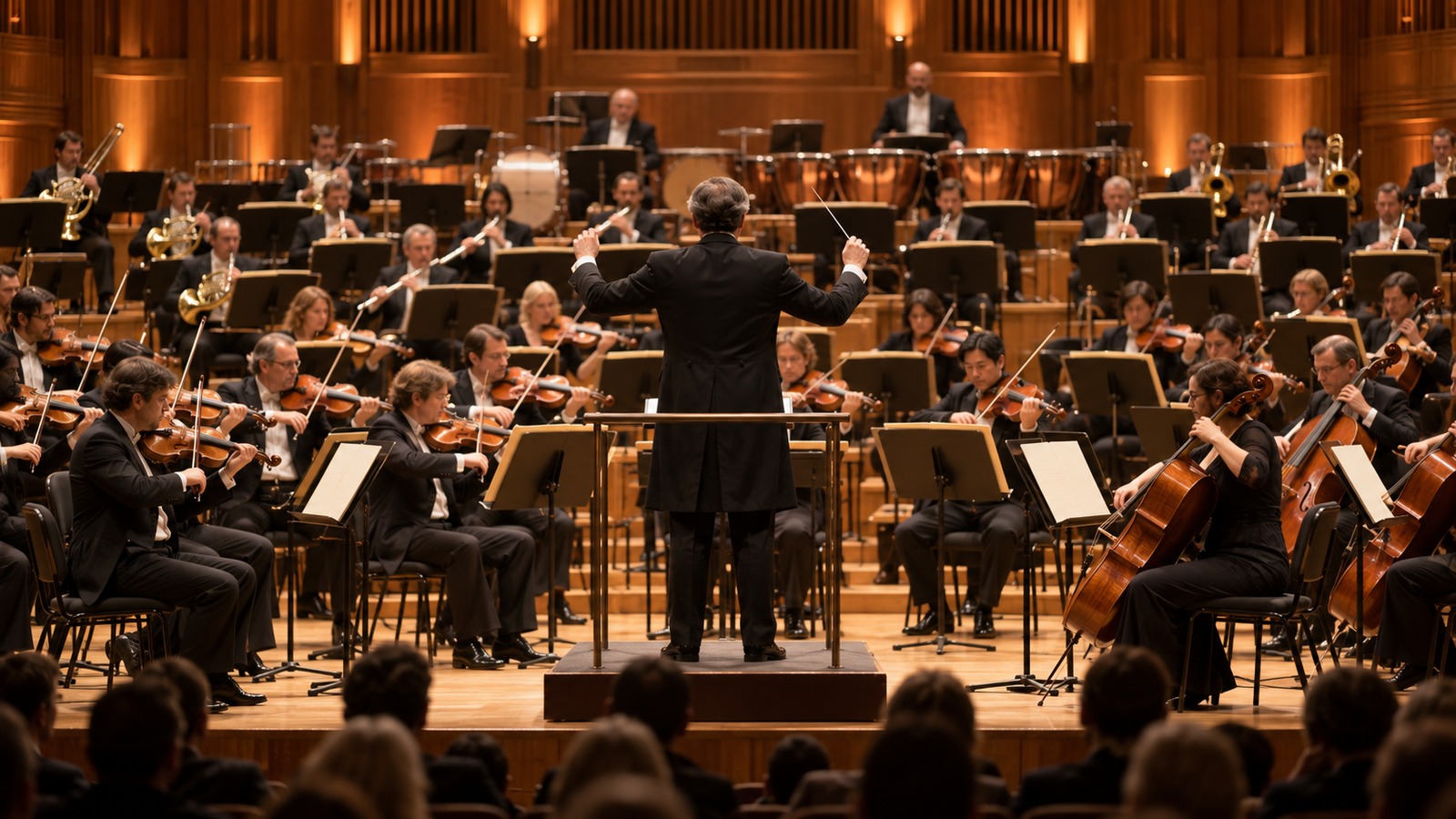
The listening task differs from hearing an exposed solo instrument. Here, participation among parts helps establish a shared public scale. You can focus on one group, then widen attention to the whole ensemble. Moving between those perspectives makes a larger texture easier to enter without requiring an inventory of every player before the music begins.
Read Titles as Navigation Tools
Classical titles often contain a form, a number, a key, a catalog identifier, or a movement name. These details can look forbidding while serving a practical purpose: they help you find the exact work or section. A movement belongs to a larger composition, and the same composer can have several pieces sharing a form or key. You do not need to memorize the naming system immediately. Keep enough information to return to the selection that interested you. Recognizing the difference between a suite, its first movement, and a later recording prevents an online search from turning several different musical objects into one confusing title.
Give Repetition a Chance to Become Recognition
On a first listen, unfamiliar material may seem to keep arriving without a clear map. A second playback often reveals returns and contrasts you missed. That change is ordinary learning, not evidence that appreciation should have been immediate. A recognizable entrance can become a reference from which the rest of a sequence grows easier to follow.
Choose one focus at a time. Hear the melody, then the supporting motion, then the change in texture between sections. Do not attempt to notice everything simultaneously. Musical detail becomes more useful when it is connected to an experience you can identify. A few clear observations may explain more than a long list of technical facts read before hearing the piece.
Also leave room for different responses. A work that seems distant today may become interesting later, while another may continue to hold little appeal. A beginner does not need to admire every canonical title equally. The purpose of these encounters is to develop a more particular sense of what you hear, including the ability to explain an attraction or uncertainty without borrowing someone else’s verdict.
Choose Recordings Without Making Shopping the First Task
A readily available complete recording is often enough to begin. You do not need to settle the supposedly definitive interpreter before learning the work’s identity. Clear labeling and a comfortable playback level matter more at first than a long debate over historical performance styles. Once a selection becomes familiar, comparison can reveal how musicians shape the same material differently.
When comparing, hear a substantial passage rather than only the opening seconds. An interpretation’s pacing needs room to establish its direction. A faster entrance might belong to a coherent larger design, while a slower one might create space for another relationship. The question is what each performance makes audible over time, not which recording wins one isolated moment.
Move From the Doorway Toward the Whole
An excerpt is a useful introduction when it encourages rather than replaces exploration. After enjoying a movement, hear its neighboring sections and notice how contrast changes your memory of the original choice. A slow passage can feel different inside a work containing forceful or playful movements. The composition’s broader character may surprise you.
This process can also reveal what you want next. A solo cello sound might lead toward another unaccompanied instrument, while a chamber exchange might encourage listening to a quartet. An orchestral color can lead into another work with a different instrumental balance. Let the route follow a particular interest rather than an abstract demand to become more advanced.
Beginner-friendly does not describe one permanent category of easy music. It describes a useful relationship between the selection and the listener’s current attention. The same work can become richer as familiarity grows. A good starting collection supplies several such relationships and keeps enough variety to make the next step an act of curiosity.
A Listening Habit Is More Useful Than a Completed List
Try a short regular session in which one selection is familiar and another introduces a new sound. Keep a simple memory of what drew you in: a returning gesture, a lyrical exchange, or a particular instrumental color. That observation can guide the next encounter more effectively than trying to remember every date and catalog number. Historical reading becomes valuable when it answers a question the music has already raised. Classical listening grows through this repeated contact, where recognition and surprise remain available together. You are building a relationship with performances, and the most useful beginning is the one that makes you want another complete hearing.