Greatness Can Fill a Hall or Occupy a Quiet Phrase
Classical music offers achievements that resist a single scale of comparison. A mass can organize many voices into a vast architecture, a song cycle can follow one speaker through a changing emotional world, and an orchestral work can transform color and rhythm into a powerful experience without a sung word. Calling them great becomes useful when we explain those different accomplishments. This guide selects essential works for the ways they organize attention, feeling, and musical time, rather than presenting an objectively settled ranking. The familiar concert canon also reflects histories of access and recognition, so the selection should remain open to composers and traditions it does not contain. Listen to complete movements or meaningful sections, return to the details that hold your attention, and let reputation supply a starting question rather than a predetermined answer.
A: No. It selects contrasting achievements and explains their listening value.
A: Yes. Concentrated resources can support an extended and complex experience.
A: Earlier movements provide important musical context for that arrival.
A: No. Changing sound can remain expressive without a fixed imagined scene.
A: Her work deserves the same musical attention given to familiar canon figures.
A: No. Its rhythmic and instrumental organization rewards direct listening.
A: Yes. Coherent interpretation can change pacing, balance and expression.
A: They can be useful doorways when later curiosity restores the larger context.
A: No. Familiarity can make a work's relationships more apparent.
A: Follow a specific musical quality into other forms and composers.
Choose an Achievement Before Choosing a Winner
A work can be significant through formal invention, expressive precision, influence, or the richness of its performance possibilities. Those qualities overlap without becoming interchangeable. Historical stature may encourage a first encounter, but the music still needs to make its own impression. You can acknowledge importance and remain uncertain about personal attachment, allowing familiarity to develop through later listening.
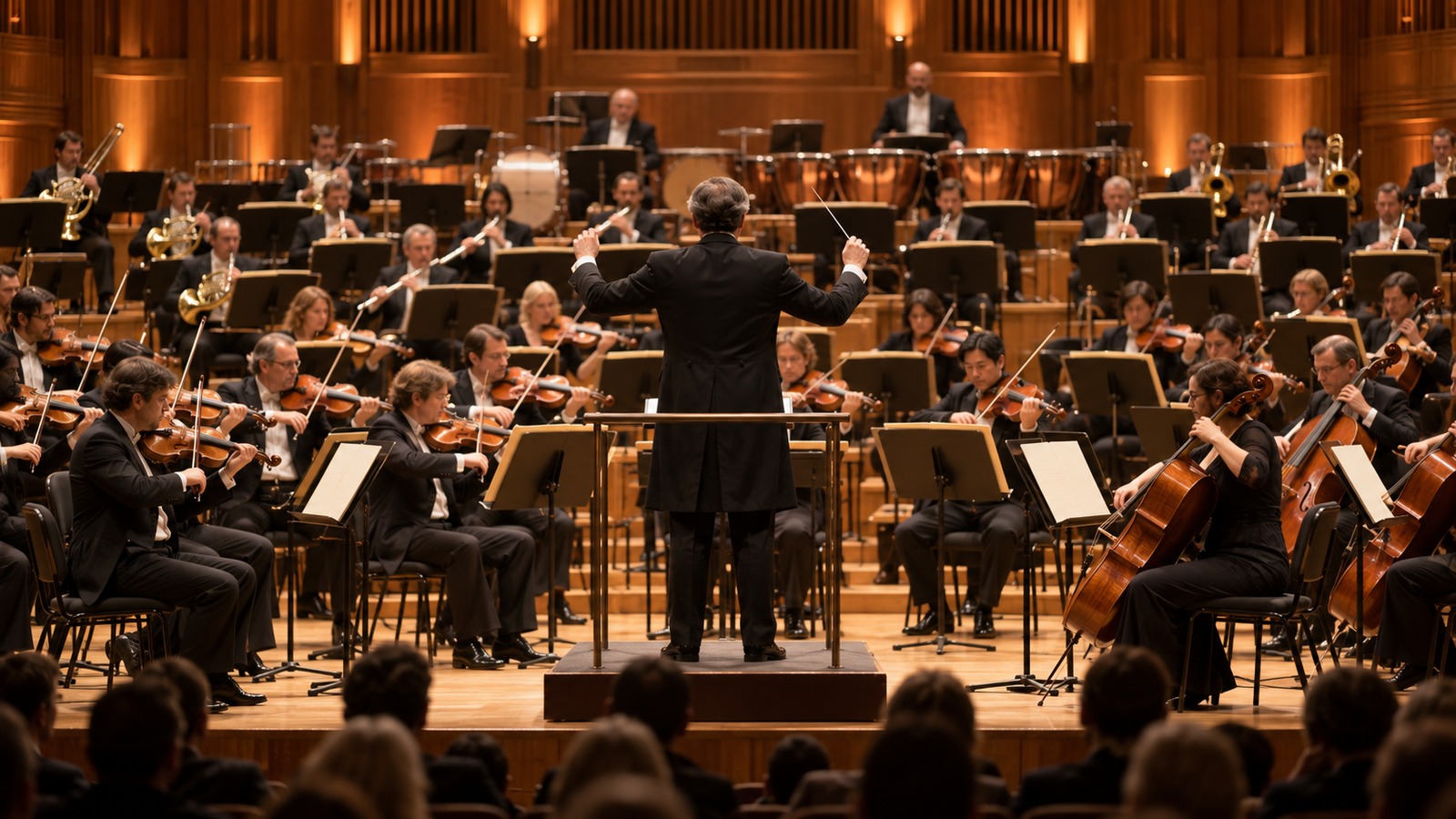
This selection spans several forms rather than treating the symphony as the only measure of classical ambition. It includes choral writing, song, and ballet-associated music alongside orchestral works. Their differences are the point. A collection is more informative when it helps the listener hear several artistic problems being solved than when it forces every piece to compete on the same invented scorecard.
Bach: Mass in B Minor
Bach’s Mass in B Minor, BWV 232, completed in 1749, brings contrasting vocal and instrumental textures into a large sacred framework. Its scale does not mean every moment relies on maximum density. Individual voices, choral passages, and changing instrumental relationships allow the listener to experience different kinds of concentration inside the wider design. A movement can feel intensely particular while also belonging to a much larger sequence.
One useful entry is to follow a musical line as another voice takes it up. The texture becomes easier to hear when repeated ideas are recognized as relationships rather than an indistinct crowd of sounds. Listening can move between the overall mass and its individual strands. That change of focus reveals how complexity can remain legible without every participant sharing the same role.
The work also rewards attention to contrast. A quieter setting can alter the significance of the choral force that follows, while an active instrumental part can give a voice another expressive environment. The achievement is not merely the amount of music assembled. It is the way changing proportions make a large form continuously available to human attention.
Beethoven: Symphony No. 9
Beethoven’s 1824 Ninth Symphony, Op. 125, turns a change of musical speech into an event. At the start of the final movement, low strings answer the turbulent orchestra in recitative-like phrases, and fragments recalling earlier movements appear before the famous new theme is established. The baritone later brings an actual human voice into that previously instrumental argument. Hear the theme first in its simpler instrumental form, then through the growing ensemble and choral treatment. The familiar finale gains force because the work has staged the search for its arrival. Its scale belongs to that preparation, not simply to the number of people singing at the end.
Schubert: Winterreise
Schubert’s 1827 song cycle Winterreise, D 911, sets twenty-four Wilhelm Müller poems for voice and piano. Its protagonist leaves a failed love behind and walks through a winter landscape, repeatedly turning ordinary objects into signs of estrangement. In the opening ‘Gute Nacht,’ the piano’s regular tread makes the departure physical; in the closing ‘Der Leiermann,’ a bare repeating accompaniment surrounds the encounter with a hurdy-gurdy player. Wigmore Hall’s program explains that dramatic route. The piano is not simply supporting a melody: it supplies motion and an environment the singer cannot leave.
Following a translation can help a listener unfamiliar with the sung language, but the sound deserves attention too. Vocal pace and instrumental gesture determine how the text arrives. The Wigmore Hall program discussion offers context for the cycle. Its inclusion reminds a classical collection that intimacy can carry an artistic ambition as substantial as the most expansive orchestra.
Dvořák: Symphony No. 9, From the New World
Dvořák’s 1893 Symphony No. 9 in E minor, Op. 95, combines readily recognizable themes with a larger pattern of contrast and return. Its slow movement is especially familiar, but the complete work provides other kinds of movement and pressure around that lyrical space. A melody’s immediate appeal need not prevent attention to structure. Hear when a gesture returns and whether its setting changes what the listener remembers about it.
The title invites historical curiosity without supplying a simple literal map of every passage. A listener should resist assigning a fixed external scene to each theme merely because the name suggests a place. The musical evidence includes rhythm, color, and the relationship among sections. These are enough to support an expressive experience while further historical reading clarifies the circumstances of composition.
A good second playback follows continuity across the different movements. Familiar material can become part of a larger memory, allowing later passages to feel connected rather than like separate tunes in a sequence. The work’s popularity can hide that organization if only isolated excerpts circulate. Hearing the whole restores the distinction between a famous melody and the architecture in which it lives.
Debussy: La Mer
Debussy’s 1905 La Mer makes orchestral color an active musical force. In the central movement, ‘Jeux de vagues’ or ‘Play of the Waves,’ quick exchanges make the orchestral surface seem continually in motion. Instruments do not simply decorate a preexisting argument; their changing combinations help create the listener’s sense of movement and form. The LA Phil’s work notes provide context for its artistic associations. The sea-related title can invite imagery, but a literal story is not required to hear the changing pressure and light of the sound. Listen to how a texture develops, dissolves, or returns with a different weight. The achievement lies in a musical world whose proportions remain alive rather than a set of effects illustrating one predetermined picture.
Stravinsky: The Rite of Spring
Stravinsky’s 1913 ballet The Rite of Spring places rhythmic force, accent, and instrumental color in striking relationships. Its impact is not explained only by loudness or the history of its premiere. The music changes how the listener expects gestures to align, making some entrances feel deliberate interruptions of an apparently settled pattern. A familiar beat can cease to behave as anticipated.
The LA Phil’s account of the ballet situates its compositional and dramatic background. The performance remains worth hearing beyond stories of scandal. Focus on the patterns and their changes, including moments when texture narrows before another forceful event. Rhythmic invention becomes clearer when the listener hears organization as well as shock.
Florence Price: Symphony No. 1
Florence Price’s Symphony No. 1 in E minor received its Chicago Symphony premiere in 1933. Its third movement, ‘Juba Dance,’ makes a specific African American dance resource part of the symphonic argument rather than treating inclusion as a matter of biography alone. The orchestra’s teaching guide identifies spiritual, church and dance materials in the work. Listen to the syncopated lift of that movement beside the more solemn second movement. The contrasts make the historical significance audible within the composition.
The Chicago Symphony Orchestra’s account documents the 1933 premiere and the work’s place in Price’s renewed recognition. That context also reminds listeners that public exposure has not always reflected the range of work composers produced. The absence of a name from an older familiar canon does not establish an absence of achievement.
Hear the symphony with the same range of attention given to more frequently circulated works: theme, rhythmic character, instrumental relationships, and the direction across movements. Its inclusion should expand the listening experience rather than create a separate category examined only through identity. A fuller canon becomes meaningful when the music itself receives sustained consideration.
Mahler: Symphony No. 2
Mahler’s Second Symphony, completed in 1894, places the intimate alto song ‘Urlicht’ before its vast concluding movement. The contrast is a precise way into the work: a relatively direct solo statement interrupts the larger instrumental journey before the finale opens another scale of space and eventually introduces the chorus. The Mahler Foundation’s work account supplies context. Listen to the difference between the solo voice’s closeness and the chorus’ later collective presence. The ending becomes more than maximum volume because the listener has already encountered another, smaller form of address. Duration makes those remembered proportions part of the eventual arrival.
Performance Changes the Work’s Apparent Character
A score gives musicians a framework, while performance determines the audible proportions of pacing, articulation, balance, and expression. Two recordings of a familiar work can reveal quite different relationships. One might emphasize a clear rhythmic profile, another a more expansive line. Comparing them can make the composer’s possibilities more apparent without requiring the listener to declare one permanently correct.
Begin the comparison after hearing each version on its own terms. A brief difference may seem exaggerated when isolated from the surrounding movement. The meaningful question is how the choice develops across the performance. This preserves interpretation as a coherent artistic act rather than a series of details detached from the experience they shape.
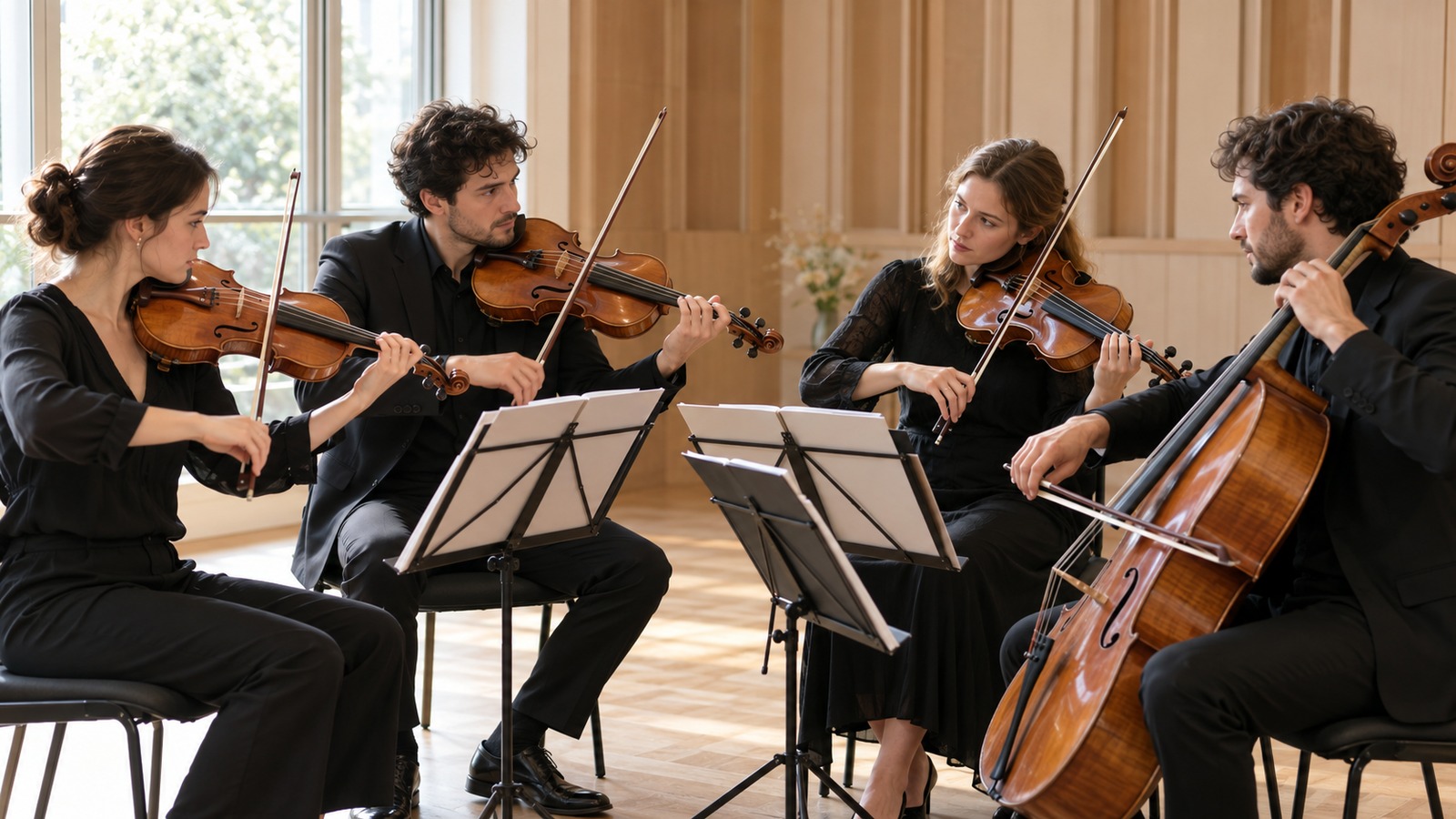
The same principle applies to vocal works. A singer’s articulation, the balance with accompaniment, and the handling of a phrase can change how language feels. A composition’s enduring richness may lie partly in sustaining these differences. Great works are not fixed museum objects delivered without human judgment; they remain opportunities for musicians to make particular expressive decisions.
Excerpts Are Doorways, With Limits
A familiar movement or passage can provide an excellent introduction, especially when a complete work initially feels too large. It becomes limiting only when the excerpt is treated as an adequate summary of everything surrounding it. Contrasting sections prepare, complicate, or redirect the gesture most widely recognized. Return to the larger context when curiosity makes that possible.
Titles and nicknames also help navigation without determining every meaning. They may have different histories from the music itself, and an evocative phrase should not be mistaken for detailed instructions about what to imagine. Follow the sound’s behavior before attaching a fixed picture. The work can remain expressive even when a listener’s associations differ from those of another audience.
An Essential Collection Should Keep Growing
This selection offers large architectures, intimate vocal worlds, changing orchestral color, and rhythmic challenge. It leaves many composers, traditions, historical periods, and present-day projects unexplored. Its boundaries should encourage the next encounter. A list becomes less useful when its prestige replaces the curiosity that first made listening meaningful.
Choose a particular achievement that held your attention and follow it into another work. Compare a chamber setting with an orchestra, a short movement with a long form, or an unfamiliar composer with an inherited favorite.
Classical music’s greatest experiences emerge through sustained encounters, not only through agreement with a canon. Let these works make their own impression, then keep listening beyond the collection they have helped open.
Let Earlier Sounds Shape Later Attention
For three precise starting points, hear the opening ‘Kyrie’ of Bach’s mass, the Largo of Dvořák’s Ninth and the ‘Sacrificial Dance’ that closes The Rite of Spring. Bach layers vocal entries into a dense, pleading texture; Dvořák lets a solo English horn carry a broadly shaped melody; Stravinsky repeatedly disrupts the expected accent. These are different achievements, not merely three examples of grand concert music. Return to the whole work after the excerpt so the local event acquires its preparation and consequences. A memorable passage becomes more revealing when you can hear what its composer places before and after it.