A Useful Map Names the Traditions It Connects
Flamenco, fado, tango, highlife, and gamelan do not become one musical style because an international catalog places them near each other. Their names point toward particular histories, performance relationships, and ways of organizing sound. A global genre guide is most useful when it makes those differences easier to hear. The traditions selected here are widely encountered entry points, not a numerical ranking of worldwide popularity or a claim to cover every region. Some names refer to song and dance practices, some to popular styles, and some to broader ensemble traditions. That difference is part of the map. Begin with a particular recording and follow the relationship that gives it direction, then explore reliable accounts from the people and institutions documenting the practice. Specific listening can turn a broad global category into several meaningful routes.
A: No. They provide widely encountered routes without combining incompatible audience measures.
A: Countries contain multiple practices, and traditions can cross borders.
A: Its important connections include both Buenos Aires and Montevideo.
A: The specific name identifies a particular practice and occasion.
A: It points toward a more specific popular music history and field.
A: Production resources can change within an artist's continuing context.
A: Different settings can reorganize an artist's resources in different ways.
A: Hear how contributions coordinate, then briefly focus on one part.
A: A useful comparison names a shared feature while retaining each context.
A: Choose a named practice and hear contrasting documented performers within it.
A Popular Listening Map Rather Than a Sales Countdown
The selections below are established traditions with substantial recorded catalogs, international presentation and recognizable routes for newcomers. “Popular” here describes useful, widely circulated entry points; it does not rank worldwide audiences using incompatible sales and streaming figures. Each entry supplies an actual recording or documented performance to begin with. The selection ranges from popular song forms such as raï and highlife to traditions whose identity includes ceremony or community participation. Those differences are part of the attraction: this is a set of listening destinations, with enough context to explain why one recording cannot stand for a whole country. Choose a promising sound, play the named example, then explore another artist within that tradition.
Flamenco Connects Several Expressive Roles
Flamenco is associated especially with southern Spain and brings singing, instrumental performance, and dance into a connected practice. UNESCO’s account provides a frame for those relationships. A recording can foreground one role without representing everything that happens in a full occasion. The genre’s identity is larger than a single guitar sound.
Begin with Paco de Lucía’s “Entre Dos Aguas,” available in his official label catalog. This instrumental rumba flamenca puts flowing guitar lines over a recurring rhythmic foundation. It demonstrates the guitar’s melodic and percussive resources, but omits the singer-and-dancer interaction central to other flamenco settings. Pair it with a complete cante performance rather than treating this successful instrumental as the whole tradition.
This route is useful for listeners interested in exchange among performers. Attend to the space before a response as well as the response itself. The coordination can make a brief gesture seem substantial within the larger event. Another performance may then reveal a different balance among the roles, opening the tradition beyond the first example.
Fado Gives Song and Poetry a Particular Setting
Amália Rodrigues’s “Povo Que Lavas No Rio” supplies an identifiable fado starting point, with a text by Pedro Homem de Mello and music credited to Joaquim Campos in the Museu do Fado catalog. Follow the long vocal phrases and the plucked accompaniment that frames them. The singer can stretch a line’s expressive weight without turning the accompaniment into a competing melody. Fado’s relationship with Lisbon and Portuguese poetry matters, but the actual interpretation gives those broad connections a voice. Compare Rodrigues with a later fadista to hear how personal delivery changes a recognizable song setting.
Tango Connects Music With a Shared Regional History
Tango has important relationships with Buenos Aires and Montevideo, linking Argentina and Uruguay within a shared cultural history. Uruguay’s National UNESCO Commission identifies that connection. A national shorthand that leaves one side invisible cannot explain the full regional account. The practice also includes different relationships among instrumental music, song, and dance.
Astor Piazzolla’s “Milonga del Ángel,” on Tango: Zero Hour, introduces the concert-oriented nuevo tango branch. His bandoneón supplies a sustained, breathing foreground while the ensemble shapes carefully timed arrivals and suspensions. Nonesuch’s catalog identifies the album within his American Clavé recordings. Compare this listening piece with dance-orchestra tango: shared ancestry does not make their intended situations identical.
Samba de Roda Makes Participation Part of the Event
Samba de roda is a specific Brazilian practice associated with the Recôncavo region of Bahia. UNESCO’s heritage entry connects music, dance, and poetry within a festive occasion. This is more precise than using samba as one uniform description of every Brazilian recording. The specific name keeps a particular practice visible.
Use the filmed performances attached to UNESCO’s Samba de Roda of the Recôncavo of Bahia heritage entry as a starting point. They supply a named, documented community context rather than substituting a commercial samba-pop hit. Watch the circle and the exchange between the central dancer, singers and percussionists. The recurring refrain belongs to that participation; a cropped audio extract cannot show the same social organization.
This entry is useful for understanding why musical identity cannot always be separated from the circumstances of performance. The event’s organization contributes to what the sounds mean. A different presentation may adapt some resources while changing the setting. Describe that change clearly rather than making every use of a related rhythm interchangeable.
Highlife Opens a Route Through Ghanaian Popular Music
E. T. Mensah and the Tempos’ “All for You” offers a concise introduction to dance-band highlife. Brass phrases, a dancing rhythmic foundation and a clear vocal refrain show an urban popular style rather than a generic African folk sound. Contrast that orchestral setting with guitar-led highlife to hear why the name covers more than one instrumental format. Ghana’s Ministry of Tourism, Culture and Creative Arts places highlife within a continuing national cultural history. The next useful search is the performer and ensemble name, which leads toward actual catalogs and musicians rather than an undifferentiated continental playlist.
Raï Connects Popular Song With Algerian Circumstances
Raï is a popular song tradition associated with Algeria. UNESCO’s account of raï provides a specific starting point for its cultural context. A broad North African tag would leave the practice’s identity unresolved. Its recorded forms also need to be understood through particular artists and periods.
Khaled’s “Didi” is a practical popular-recording entrance: the lead voice uses curling, emphatic phrases while the arranged groove gives the refrain a readily repeatable shape. Contrast that polished setting with Cheikha Rimitti’s “Charrak Gattâa” for an earlier raï route. These are different recording circumstances and generations. Their differences explain more about raï’s development than an assumption that modern production simply replaced an unchanged traditional sound.
Qawwali Places Vocal Exchange Within a Devotional Tradition
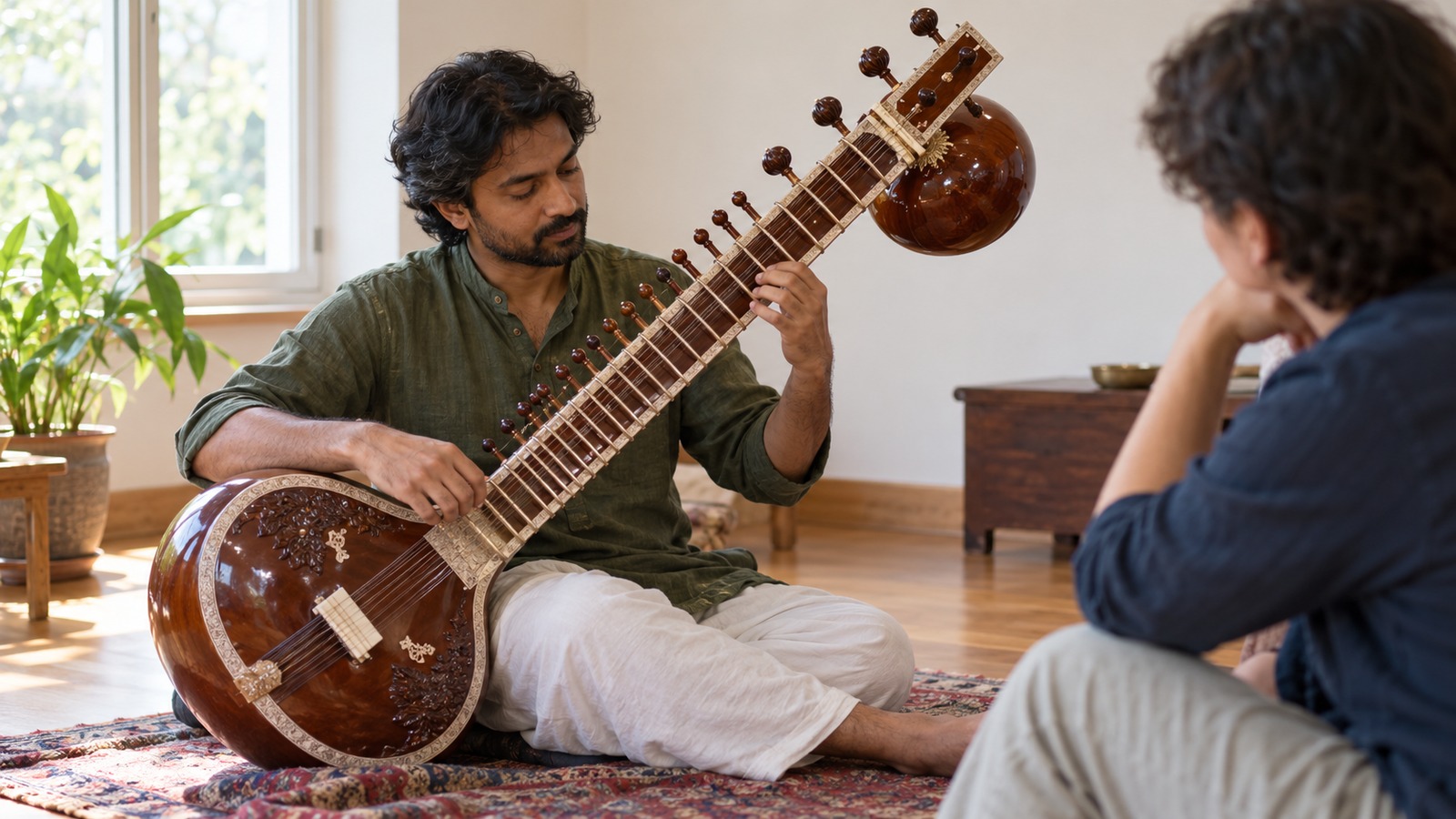
Qawwali is a South Asian Sufi devotional practice with a specific history and performance context. Real World Records’ account of Nusrat Fateh Ali Khan offers one documented artist route into it. International circulation can make the voice familiar while leaving the tradition’s name less visible. Returning to the credited performance restores both.
Choose Nusrat Fateh Ali Khan’s “Allah, Mohammed, Char, Yaar” from Shahen Shah. The lead voice works against collective responses and an insistent repeating pulse. Hear the developing vocal gestures over a complete performance rather than expecting a compact verse-chorus single. The group’s returning material gives the improvising singer recognizable points of contact; repetition can therefore increase intensity without simply duplicating an earlier passage.
A collaboration involving a qawwali artist may reorganize those resources within another setting. That result can be interesting without serving as an interchangeable example of the traditional occasion. Compare the documented contexts before drawing a broad conclusion. The distinction leaves room for both continuity and the artist’s choices in adapting material.
Gamelan Makes Collective Coordination Especially Audible
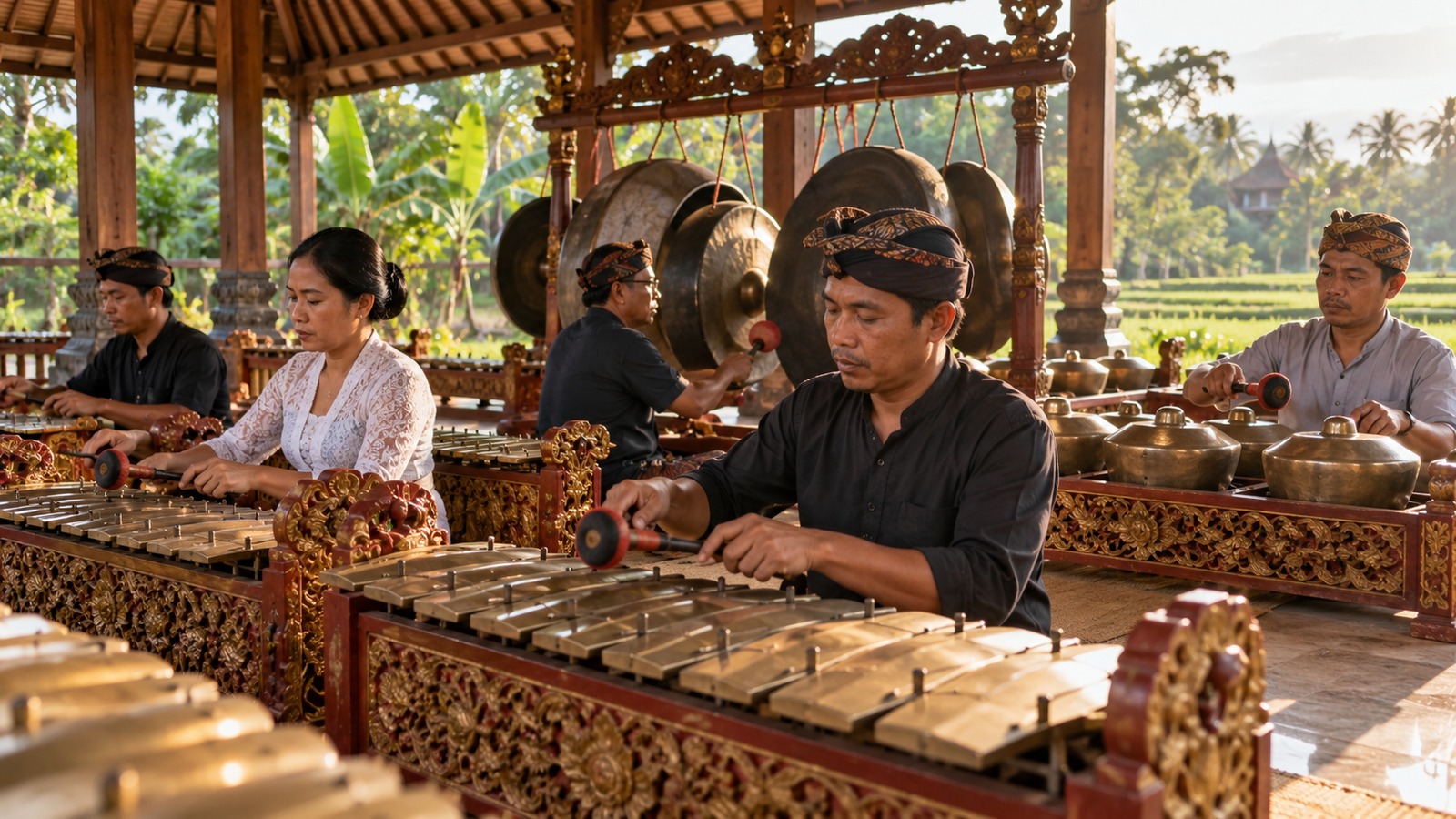
For a specific ensemble, try “Sekar Muncerat,” performed by the gamelan angklung of Samban village on From Kuno to Kebyar. Smithsonian Folkways identifies the players and supplies Ruby Ornstein’s contextual documentation. Follow the recurring patterns and the relationship between quick attacks and ringing metal resonance. This is Balinese gamelan angklung, not a model for every Indonesian ensemble. Its named village and ensemble type give the listener a useful next search and prevent the general instrument-family label from erasing important regional differences.
The Names Describe Different Kinds of Relationships
The map includes vocal address, performer exchange, shared dance history, collective participation, popular recording practice, devotional context, and interlocking ensemble organization. These are different ways a musical identity becomes meaningful. They cannot be converted into one uniform checklist without losing information. A useful introduction identifies the relevant relationship and explains why it matters for the particular entry.
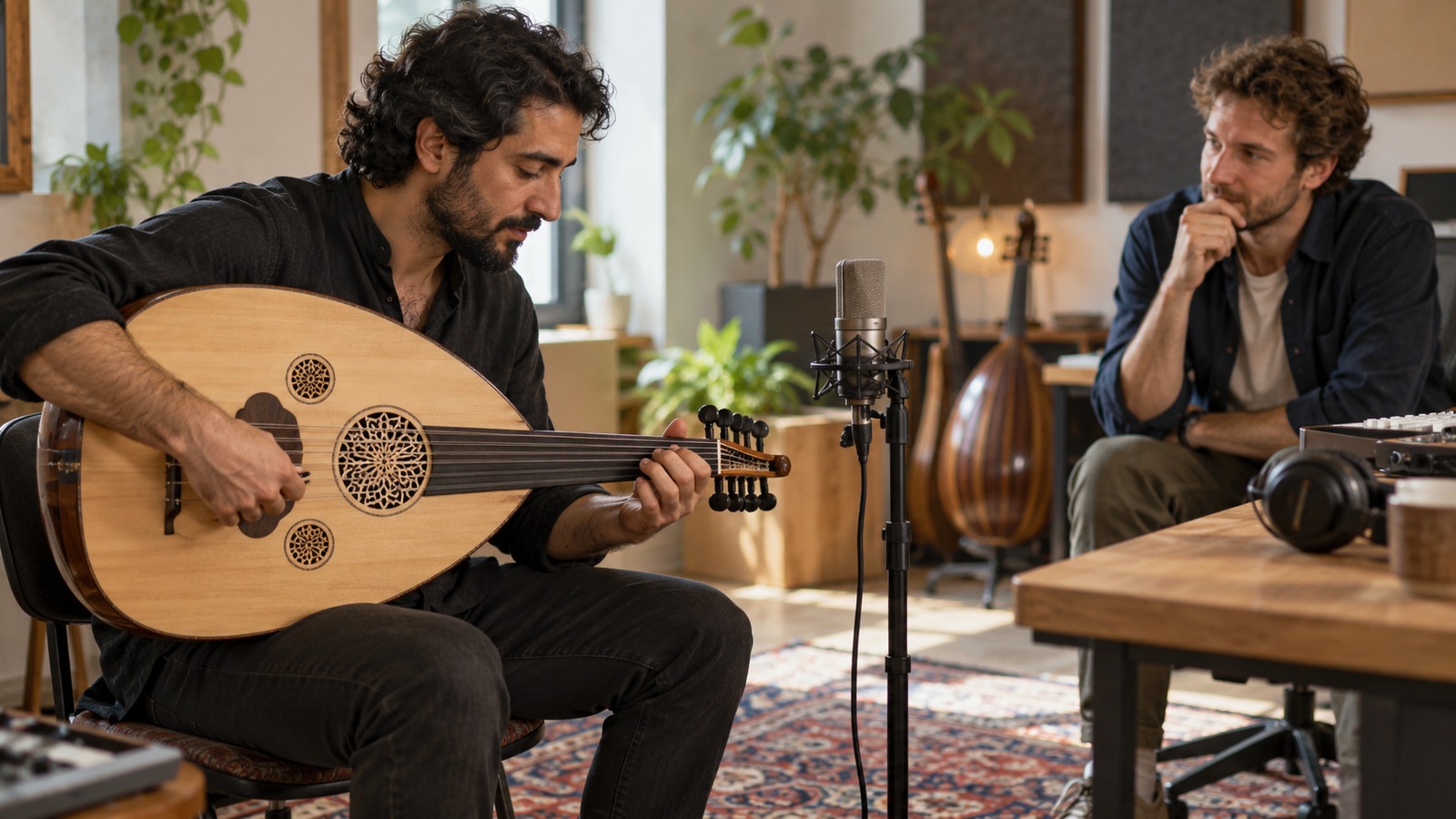
This also prevents an easy confusion between an instrument and a genre. The same resource can acquire a different role in another practice, while a tradition can adapt its setup without losing every connection. Reliable artist descriptions can explain those decisions. Hear how the sound functions before allowing its timbre to settle the entire classification.
The broad word world can remain useful for an initial search, but these more specific names provide better next steps. Use the performer and recording information as well as the tradition’s name. That combination makes it possible to explore individuality within a practice. A map becomes richer when it leaves the actual people visible rather than turning every entry into an anonymous regional sound.
Hear Variation Inside an Entry Before Comparing It With Another
After finding an engaging example, hear another performer or a different documented occasion within the same practice. The contrast helps identify which features are shared and which belong to an individual arrangement. Then compare a clearly named feature with another tradition if that serves a listening purpose. The sequence keeps broad resemblance from replacing local detail.
For example, vocal response can appear in several musical settings without carrying one identical history or function. A useful comparison describes the audible interaction while preserving each practice’s context. It can make the listener more attentive to difference as well as similarity. An analogy should open exploration rather than claim that the names are unnecessary.
Current Music Belongs on the Map
These traditions are sustained by people working in changing circumstances, not merely preserved as finished objects from the past. Artists can adapt repertory, instruments, recording tools, and public presentation. A current release deserves attention to its own aims alongside its historical connections. Modern production does not automatically cancel a tradition’s identity, and a conventional setup does not guarantee that a work represents every established practice. The better question is which relationships the recording maintains, changes, or combines. Reliable contributor information and the artist’s own account can make that development clearer.
Use a Global Guide to Make the Next Encounter More Specific
A practical listening map should leave you with names, questions, and a route toward another recording. Choose the entry whose particular relationship interests you, hear a complete documented performance, and learn enough context to return with more precise attention. Explore variation inside the practice before making a broad summary. The selected traditions offer many different forms of musical organization rather than one universal world-music sound.
Their value as entry points lies in how they lead toward artists and living histories that the original broad heading could not explain. Save the release information alongside the musical observation that made the encounter memorable. For a vocal performance, that observation might concern the timing of a response; for an ensemble, it might concern how one sustained sound connects several attacks. The next hearing can test whether the same relationship remains prominent in another recording. If it changes, describe how the performer redirects it. This turns a collection of genre names into an active listening practice, giving your growing map evidence as well as destinations.